90-Second Power Failure Causes Rail Commuter Chaos
A brief 90-second power outage disrupted rail services and exposed vulnerabilities in infrastructure. Learn how a momentary blackout created widespread commuter...
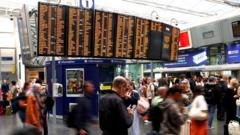
90-Second Power Outage Creates Widespread Rail Commuter Disruption
A fleeting 90-second power outage rail commuters experienced revealed the fragility of modern transportation networks. What appeared to be a brief interruption in electrical supply cascaded into hours of service disruptions, stranding thousands of passengers across multiple rail lines and forcing authorities to implement emergency protocols to manage the chaos.
Understanding the Scale of the Disruption
The power outage rail commuters encountered was not limited to a single location but rather affected an extensive geographic area encompassing several interconnected transit hubs. When the electrical supply failed, signaling systems, train controls, and platform operations all malfunctioned simultaneously, creating a domino effect throughout the network. Service recovery required manual interventions and systematic power restoration procedures that extended far beyond the initial 90-second failure window.
Commuters reported being trapped on stationary trains for extended periods, with some services taking several hours to resume normal operations. The inability to move between stations meant that backup services could not be efficiently deployed, and alternative transportation routes became overwhelmed by redirected passenger traffic.
Infrastructure Vulnerabilities Exposed
The incident highlighted critical weaknesses in the electrical infrastructure supporting rail operations. A single point of failure in the power distribution system was capable of disabling an entire network segment, suggesting that redundancy mechanisms may be insufficient or not fully operational. Engineering experts pointed out that modern rail systems typically incorporate backup power supplies and automatic switching systems, yet these safeguards failed to prevent the widespread disruption.
This power outage rail commuters experienced forced transportation authorities to conduct comprehensive audits of their electrical systems. Investigators discovered that maintenance schedules had not been updated to address emerging infrastructure challenges, and certain backup systems had not been tested under real-world failure conditions in several years.
Immediate Impact on Commuters
During the chaos, passengers experienced significant inconvenience and frustration. Peak morning commute times coincided with the power failure, meaning thousands of workers arriving at stations found services completely disrupted. Some commuters waited on platforms for extended periods without clear communication about service restoration timelines or alternative transportation options.
The psychological impact on regular commuters was substantial, with many expressing lost confidence in the reliability of rail services. Businesses depending on punctual employee arrivals reported reduced productivity, and several companies experienced financial losses due to reduced staff attendance following the service disruption.
Lessons Learned and Response Measures
Following the power outage rail commuters encountered, transit authorities implemented immediate corrective actions. These measures included enhanced monitoring systems for electrical substations, upgraded backup power capacity, and revised emergency response protocols designed to restore partial service more quickly during future outages.
Transportation officials committed to investing in infrastructure modernization, particularly focusing on redundant power supply systems and improved fault detection mechanisms. They recognized that infrastructure resilience must become a top priority to prevent similar incidents from causing comparable disruption to commuter populations.
Additionally, communication protocols were revised to ensure that accurate, timely information reaches commuters during service disruptions, helping passengers make informed decisions about alternative transportation options and reducing panic and confusion.
Broader Implications for Transportation Networks
The power outage rail commuters experienced serves as a cautionary tale for transportation systems worldwide. As urban populations grow and commuter dependence on rail services increases, infrastructure reliability becomes increasingly critical. A single 90-second failure revealed the interconnected nature of modern transportation systems, where electrical supply disruptions immediately impact signaling, communication, and train movement capabilities.
This incident prompted other transit agencies to review their own infrastructure vulnerability assessments and emergency preparedness plans. Industry experts recommend that all transportation networks conduct comprehensive risk analyses and develop robust contingency plans addressing extended power outages affecting multiple simultaneous operations.


