Advanced Microscope Technology Offers Hope for Inflammatory Bowel Disease Research
Cutting-edge microscopy technology provides unprecedented resolution to help researchers understand and develop new treatments for inflammatory bowel disease af...
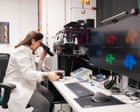
Revolutionary Microscope Technology in Bowel Disease Research
Scientists are increasingly optimistic that innovative microscopy solutions will unlock critical insights into inflammatory bowel disease, a condition that continues to affect growing numbers of individuals globally. This breakthrough in microscopic visualization represents a significant advancement in the quest to understand the underlying mechanisms of incurable bowel conditions and develop targeted therapeutic interventions.
Understanding the Scale of Inflammatory Bowel Disease
The prevalence of inflammatory bowel disease has reached alarming levels across developed nations. In the United Kingdom alone, more than half a million people are currently managing inflammatory bowel disease, according to the British Society of Gastroenterology. The two predominant forms of this condition—Crohn's disease and ulcerative colitis—account for the vast majority of diagnosed cases, yet effective long-term treatments remain elusive.
The global trend shows an increasing number of young individuals developing these debilitating conditions, creating an urgent need for enhanced diagnostic and research capabilities. This demographic shift has prompted the medical and scientific communities to prioritize research initiatives that could yield transformative breakthroughs in understanding and treating inflammatory bowel disease.
The Curie Microscope: A Game-Changing Innovation
Enter Curie, an extraordinary microscopic instrument that operates at unprecedented levels of magnification and clarity. This state-of-the-art technology functions at 10 times the resolution of conventional microscopy systems, fundamentally changing how researchers can observe and analyze cellular and tissue structures associated with inflammatory bowel disease.
The enhanced resolution capabilities of this advanced microscopy platform enable scientists to visualize biological structures and processes that were previously beyond the reach of traditional optical systems. By providing such detailed microscopic views, researchers can identify subtle cellular abnormalities, inflammatory markers, and disease mechanisms that may have previously gone undetected.
Potential for Breakthrough Discoveries
Medical researchers and gastroenterologists are optimistic that this technological advancement will catalyze significant discoveries in the inflammatory bowel disease research field. The superior imaging capabilities could facilitate the identification of disease biomarkers, help clarify inflammatory processes, and reveal potential intervention points for new therapeutic approaches.
The implications extend beyond basic research; findings generated through this advanced microscopy technology could directly inform the development of novel treatment protocols for both Crohn's disease and ulcerative colitis. With the ability to observe cellular behavior and tissue responses at unprecedented magnification levels, scientists may finally begin to address fundamental questions about the root causes of inflammatory bowel disease.
Advancing Treatment Development
The path toward discovering new treatments for incurable bowel conditions has historically been hampered by limited visualization capabilities. Traditional microscopy methods have constrained researchers' ability to observe the minute cellular changes and inflammatory dynamics that characterize inflammatory bowel disease progression.
By removing this technological barrier, the Curie microscope opens new avenues for research that could ultimately lead to targeted interventions. Understanding the precise mechanisms underlying inflammatory bowel disease at the cellular level may enable the development of therapies that address the actual disease pathology rather than merely managing symptoms.
Global Impact on Gastroenterology Research
The introduction of this revolutionary microscopy technology arrives at a critical moment in gastroenterology research. As the prevalence of inflammatory bowel disease continues to rise worldwide, particularly among younger populations, the medical community recognizes the urgent need for innovative research tools and methodologies.
This advancement represents more than incremental progress; it symbolizes a fundamental shift in research capability that could reshape our understanding of inflammatory bowel disease and accelerate the timeline toward identifying effective therapeutic solutions.