AI Detects Heart Disease in Women via Mammograms
Artificial intelligence technology identifies cardiovascular disease in women through routine mammogram screenings, offering dual-purpose cancer detection and h...
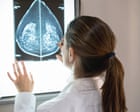
Revolutionary AI Technology Identifies Cardiovascular Risk in Breast Screenings
Medical researchers have developed an innovative approach that demonstrates how AI detects heart disease women through standard mammogram examinations. The breakthrough suggests that routine breast cancer screenings could simultaneously serve as an early warning system for cardiac complications, addressing a critical health gap affecting millions of women globally.
The groundbreaking study reveals that artificial intelligence algorithms can analyze mammographic images to identify women at risk for coronary heart disease, hypertension, and cerebrovascular events. This dual-purpose screening methodology represents a significant advancement in preventative medicine, potentially transforming how healthcare providers approach women's health assessments.
How Artificial Intelligence Enhances Mammogram Analysis
Researchers utilized sophisticated machine learning algorithms to examine mammogram data with unprecedented accuracy. The AI technology successfully detected patterns and biomarkers within breast imaging that correlate with cardiovascular conditions. This represents a paradigm shift in medical imaging interpretation, where single diagnostic procedures can yield multiple health insights.
The artificial intelligence breast cancer detection systems were trained on extensive datasets to recognize subtle indicators of heart disease risk factors visible in mammographic tissue composition and vascular patterns. By analyzing these comprehensive imaging datasets, the AI systems demonstrated remarkable sensitivity in identifying women with existing cardiovascular pathology.
Clinical Significance and Health Impact
Heart disease remains the leading cause of mortality in women worldwide, yet cardiovascular conditions frequently go undiagnosed in female patients compared to male counterparts. Traditional screening protocols often result in missed opportunities for early intervention. This innovative use of mammography addresses a critical diagnostic gap by leveraging existing screening infrastructure to detect multiple disease states simultaneously.
Women presenting for routine cancer screenings could now receive valuable cardiac health information through the same imaging appointment. The methodology identified women with coronary heart disease, high blood pressure complications, and those with prior stroke events. This comprehensive risk stratification enables healthcare providers to implement targeted preventative interventions earlier in disease progression.
Advancing Women's Preventative Healthcare
The integration of AI medical imaging technology into standard screening protocols represents a cost-effective approach to disease detection. Rather than requiring additional tests or imaging procedures, women already undergoing mammograms benefit from enhanced diagnostic capabilities. This efficiency potentially improves healthcare accessibility and reduces overall screening expenses.
Medical professionals recognize the importance of comprehensive health assessment in preventative medicine. By combining cardiovascular risk evaluation with cancer screening through AI analysis, healthcare systems can implement more holistic patient care strategies. Women receive actionable health information that enables informed medical decision-making regarding lifestyle modifications and clinical interventions.
Future Implications for Medical Screening Standards
This research opens substantial opportunities for expanding AI applications across medical imaging disciplines. As artificial intelligence continues advancing in healthcare contexts, similar dual-purpose screening methodologies could be developed for other disease categories. The study suggests that existing diagnostic infrastructure holds untapped potential when enhanced with sophisticated computational analysis.
Healthcare institutions worldwide are evaluating how to integrate these findings into clinical practice standards. Regulatory agencies and medical professional organizations are examining implementation guidelines for AI-enhanced screening protocols. The successful demonstration that AI detects heart disease women through mammography may influence future screening recommendations and diagnostic algorithm development.