Bank of England's Cautious Stance Prolongs Rate Hikes
Niesr warns Bank of England's weak inflation response could extend elevated interest rates through 2030. Expert analysis reveals risks of persistent UK economic...
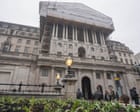
Central Bank's Conservative Approach Under Scrutiny
The Bank of England's handling of inflation concerns has drawn sharp criticism from leading economic researchers, with experts warning that recent policy decisions could extend higher interest rates well into the coming decade. A major economic think tank has raised alarms about the implications of the central bank's measured response to mounting inflationary pressures affecting the British economy.
The National Institute of Economic and Social Research (Niesr), one of Britain's most respected independent research organizations, has issued a damning assessment of recent monetary policy decisions. According to their analysis, the Bank of England interest rates strategy appears insufficient to tackle persistent inflation challenges that could characterize the UK economy for years to come.
Weak Rate Increases May Prolong Economic Challenges
Last week's interest rate adjustment has become the focal point of heated debate among economists and financial analysts. Niesr argues that the modest hike represents an overly cautious approach that fails to adequately address the underlying inflationary dynamics threatening economic stability. This conservative stance, critics contend, could have unintended consequences that extend far beyond the immediate policy cycle.
The think tank's research suggests that if the Bank of England continues with such measured increases, inflation may remain stubbornly above the institution's official 2% target through 2030. This projection represents a concerning outlook for households and businesses already grappling with elevated costs across multiple sectors of the economy.
Long-Term Implications for UK Economy
The potential consequence of prolonged higher interest rates extends throughout the entire economic structure. Businesses face increased borrowing costs that could constrain expansion plans and hiring decisions. Mortgage holders confront sustained pressure on monthly payments, potentially limiting consumer spending and property market activity. Savers benefit from higher deposit returns, but this advantage comes at the expense of broader economic dynamism.
Niesr's analysis highlights a fundamental tension in contemporary monetary policy. While aggressive rate increases can trigger economic contractions and unemployment, overly timid responses risk allowing inflation to become embedded in wage expectations and pricing behavior. Once inflation psychology takes hold, reversing it requires even more dramatic policy shifts and extended periods of elevated rates.
Expert Criticism of Policy Framework
The thinktank's critique extends beyond mere disagreement about specific rate decisions. Economists at Niesr question whether the Bank of England's current policy framework adequately accounts for structural inflationary pressures in the modern economy. Supply chain disruptions, labor market dynamics, and global commodity price movements create a complex environment that may require more aggressive policy responses than traditionally employed.
This debate reflects broader disagreements within the economics profession about optimal monetary policy approaches during periods of significant inflation. Some analysts argue that central banks must act decisively to prevent inflation expectations from spiraling out of control. Others worry that excessive rate hikes could trigger recession and unnecessary hardship for vulnerable populations.
Inflation Targets and Policy Credibility
The Bank of England's 2% inflation target has served as an anchor for UK monetary policy for nearly three decades. However, recent experience suggests that maintaining this target amid global economic turbulence presents formidable challenges. If inflation remains elevated for several more years, questions about the central bank's credibility and commitment to its stated objectives will intensify.
Market participants and households form expectations about future inflation based partly on confidence in the central bank's determination to achieve its goals. Weak policy responses can undermine this confidence, potentially requiring even more stringent measures later to restore credibility and anchor expectations.
Looking Ahead: Policy Crossroads
The coming months will prove crucial for determining whether the Bank of England adjusts its approach or maintains its current cautious posture. Economic data, including employment figures, wage growth, and consumer price trends, will inform ongoing policy deliberations. Niesr and other analysts will continue monitoring these developments closely, assessing whether recent rate increases prove adequate or whether more aggressive action becomes necessary.