Banksy Artworks Drain Public Funds With £150k Bill
FOI documents expose Banksy artworks costing taxpayers nearly £150,000. Discover how street art maintenance expenses continue to surge.
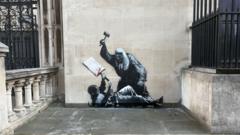
Banksy Artworks Generate Substantial Public Spending Burden
Recent Freedom of Information requests have uncovered significant expenses surrounding Banksy artworks, with documented figures indicating taxpayers have shouldered nearly £150,000 in costs related to these famous murals. The financial burden associated with Banksy artworks continues to climb, raising important questions about municipal budgeting priorities and resource allocation.
Understanding the Financial Impact
The investigation into Banksy artworks reveals multiple expense categories contributing to the substantial bill. Maintenance, protection, and preservation work form the cornerstone of these expenditures, as local authorities attempt to safeguard these pieces from deterioration and vandalism.
Breakdown of Expenditure Categories
Street art preservation requires specialized attention and resources. Agencies responsible for protecting Banksy artworks have implemented various measures including structural stabilization, weather-resistant coatings, and reinforced barriers to prevent defacement. These preventative measures represent a considerable portion of the overall investment.
Security arrangements constitute another significant expense category. Given the high-profile nature of Banksy pieces and their status as cultural attractions, municipalities have invested in surveillance equipment, lighting systems, and physical barriers to manage public access and prevent unauthorized damage.
Rising Costs and Escalating Concerns
Financial analysts emphasize that expenses related to Banksy artworks show no signs of stabilizing. Repair costs following vandalism incidents, ongoing maintenance schedules, and infrastructure upgrades continue accumulating. Some authorities have reported multiple instances requiring intervention within single fiscal years, compounding the financial pressure.
The trajectory of spending suggests future budgetary commitments will increase. Climate factors, aging materials, and natural deterioration necessitate continuous financial commitment to preserve these works, ensuring the public investment remains justified through maintained accessibility and condition standards.
Public Perception and Cultural Value
While Banksy artworks cost taxpayers substantial resources, supporters argue these pieces contribute significant cultural and economic benefits to their respective communities. Tourism generated by notable installations often provides offsetting revenue through increased visitor traffic and associated spending.
Economic Impact Beyond Direct Costs
Communities hosting Banksy artworks frequently experience enhanced local profiles and increased cultural prestige. These factors can drive foot traffic to surrounding businesses, elevate property values in proximity, and attract media attention that extends beyond traditional tourism channels.
Transparency and Accountability Questions
The Freedom of Information releases regarding Banksy artworks have prompted broader discussions about municipal spending transparency. Taxpayers increasingly scrutinize how public resources are allocated toward cultural preservation, with some questioning whether expenditure levels align with community priorities.
Local authorities defend their investments by highlighting the irreplaceable nature of these artworks and their significance as contemporary cultural artifacts. Decisions to maintain Banksy pieces reflect institutional commitments to cultural heritage preservation, even when financial outlays prove substantial.
Future Outlook and Sustainability
Moving forward, municipalities managing Banksy artworks face critical decisions regarding long-term funding strategies. Some authorities are exploring collaborative funding models, corporate sponsorships, and grant mechanisms to distribute financial responsibility more broadly across stakeholders.
The cumulative expenses surrounding Banksy artworks underscore broader challenges within arts preservation and public cultural infrastructure management. As these iconic pieces age, increasingly sophisticated conservation techniques may be required, potentially driving costs even higher in subsequent years.


