Bezos-Backed FSG Deal: What Liverpool's Future Holds
Jeff Bezos joins FSG investment in Liverpool FC. Explore how this landmark deal impacts the club's spending capacity and fan sentiment.
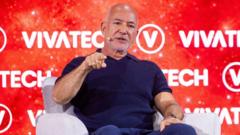
The FSG-Bezos Partnership: A New Era for Liverpool
The involvement of Jeff Bezos through a significant financial injection into Fenway Sports Group's ownership of Liverpool Football Club represents one of the most high-profile developments in modern football history. However, this Bezos Liverpool investment move warrants careful examination regarding its actual implications for the club's competitive future and financial operations.
While headlines dominated global sports media with news of the world's wealthiest individuals entering football ownership, financial experts questioned whether this Bezos Liverpool investment would meaningfully alter the club's spending strategies. The partnership between Amazon founder Bezos and existing stakeholders presents a complex scenario that demands deeper analysis beyond surface-level excitement.
Financial Reality: Investment Versus Spending Power
One critical misunderstanding surrounding major ownership changes involves confusing investment capital with available transfer funds. The Bezos Liverpool investment, though substantial in absolute terms, operates within strict regulatory frameworks established by football governing bodies. These financial fair play regulations limit how rapidly newly injected capital can translate into increased player expenditure.
Liverpool currently operates under Premier League Profit and Sustainability Rules, which restrict annual losses to £105 million across three-year periods. Therefore, regardless of Bezos's involvement, the club cannot simply convert investment funds into unrestricted spending sprees. The financial infrastructure governing English football's top division ensures that even ultra-wealthy ownership cannot bypass these regulatory mechanisms through the Bezos Liverpool investment approach.
The Regulatory Landscape
These constraints exist to maintain competitive balance and financial stability across the league. While supporters might fantasize about unlimited resources, European football's governing body UEFA and the Premier League have constructed systems specifically designed to prevent this scenario. The Bezos Liverpool investment must therefore operate within these established parameters, significantly limiting its transformative potential.
Strategic Considerations and Long-Term Planning
Current management at Liverpool has historically demonstrated fiscal discipline and strategic acumen in player recruitment. This approach has produced competitive success without requiring billionaire-backed spending binges. The question becomes whether new ownership fundamentally alters this philosophy or enhances existing structures.
Fenway Sports Group's ownership tenure since 2010 established protocols for sustainable growth and infrastructure development. The Bezos Liverpool investment may strengthen financial stability and reduce debt rather than dramatically increase annual transfer budgets. This distinction matters considerably for understanding the deal's genuine impact on competitive positioning.
Operational Improvements and Stadium Development
Beyond playing squad expenditure, significant capital might target ground infrastructure improvements, training facilities, and youth academy development. These investments enhance competitive capability indirectly while building long-term institutional strength. The Bezos Liverpool investment could facilitate Anfield expansion projects and modernization initiatives previously constrained by capital availability.
Fan Perspective and Cultural Concerns
Liverpool's fanbase carries distinctive perspectives on club ownership and values. Many supporters harbor reservations about ultra-wealthy individuals acquiring stakes in storied institutions, concerned about commercialization and cultural dilution. The Bezos Liverpool investment prompted genuine debate within supporter communities regarding ownership structures and philosophical alignment.
These concerns reflect legitimate questions about decision-making authority, strategic direction, and institutional priorities. Successful football club ownership requires understanding local sentiment and historical context alongside financial resources. The integration of new stakeholders into existing ownership structures demands careful navigation of these cultural considerations.
Balancing Commercial and Sporting Interests
Amazon's global reach and commercial sophistication could enhance Liverpool's international brand development. However, this must harmonize with supporter expectations regarding sporting integrity and competitive ambition. The Bezos Liverpool investment's ultimate success depends on demonstrating commitment to both financial performance and sporting excellence.
Comparative Analysis and Industry Precedent
Football has witnessed numerous ownership transitions involving extraordinarily wealthy individuals. From Middle Eastern sovereign wealth funds to American billionaires, outcomes have varied substantially. Some investments transformed clubs into consistent title contenders, while others disappointed through mismanagement or cultural disconnection.
The Bezos Liverpool investment enters this complex landscape with specific advantages including technological expertise and international logistical capabilities. Yet advantages in other sectors do not automatically translate to football success. Organizational acumen, sporting knowledge, and operational experience matter substantially in this competitive environment.
Forward Outlook and Expectations
As this ownership structure evolves, realistic assessment becomes essential for managing expectations. The Bezos Liverpool investment represents significant capital arriving at an already well-managed institution. Marginal improvements rather than revolutionary transformations likely characterize the most probable outcomes.
Liverpool's pathway forward depends less on ownership wealth and more on continued intelligent decision-making, strategic patience, and cultural alignment with supporter values. The Bezos Liverpool investment should enhance these existing strengths rather than replace them with resource-based approaches to competitive success.


