Bosnian War Criminal Mladić Dies at 84 After Life Sentence
Convicted Bosnian Serb war criminal Ratko Mladić dies aged 84. He received a life sentence in 2017 for genocide and crimes against humanity.
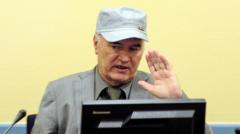
Bosnian War Criminal Passes Away Following Conviction
A prominent bosnian war criminal has died at the age of 84, concluding a controversial chapter in the history of the Balkans conflict. The individual had spent the final years of his life incarcerated following his comprehensive conviction on multiple serious charges related to atrocities committed during the regional upheaval of the 1990s.
Life Sentence and Legal Conviction
In 2017, the bosnian war criminal received a life sentence after an international tribunal found him guilty of orchestrating and implementing systematic violence against civilian populations. The convictions encompassed genocide, war crimes, and crimes against humanity—charges that reflected the severity and scope of actions undertaken during the tumultuous period.
Historical Context of the Yugoslav Wars
The offenses for which he was prosecuted occurred during the devastating wars that engulfed former Yugoslavia between 1992 and 1995. This period witnessed widespread ethnic violence, mass displacement, and unprecedented atrocities that shocked the international community and prompted the establishment of specialized war crimes tribunals. The conflict fundamentally altered the geopolitical landscape of southeastern Europe and left lasting scars on the affected populations.
International Justice and War Crimes Prosecution
The prosecution of this bosnian war criminal represented a significant milestone in international humanitarian law and accountability. His case demonstrated the commitment of the global legal system to pursue individuals responsible for large-scale atrocities, regardless of their former military or political status. The tribunal's work in documenting and prosecuting war crimes cases from the Yugoslav conflicts established important precedents for future international criminal proceedings.
Legacy and Closure for Victims
For survivors and families of victims affected by the atrocities committed during the Balkans conflict, the passing of the convicted individual marks an important moment of closure. Throughout his incarceration, he maintained his legal appeals and contested various aspects of his conviction, prolonging the emotional burden on affected communities. His death effectively concludes his legal proceedings and brings finality to one of the most prominent cases emerging from the Yugoslav wars.
Impact on Regional Reconciliation
The case of this bosnian war criminal and the broader tribunal proceedings have played a complex role in the reconciliation process across the Balkans. While justice through prosecution has provided some measure of accountability, the deep historical wounds from the 1990s conflicts continue to influence contemporary regional relations and political discourse throughout southeastern Europe.


