Brook Shows Elite Batting Form But Not Ready for England Captaincy Role
Harry Brook demonstrates world-class batting talent comparable to Gower and Pietersen at Headingley, but Jonathan Agnew questions his captaincy readiness. Exper...
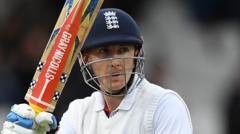
Harry Brook's Exceptional Batting Display at Headingley
England's dynamic batsman Harry Brook has once again showcased his remarkable abilities with the bat, producing a performance at Headingley that reinforces his status as one of the most talented cricketers of his generation. According to renowned cricket commentator Jonathan Agnew, while Brook possesses the technical skills and mentality comparable to cricket legends David Gower and Kevin Pietersen, questions remain about his immediate suitability for the England captain position.
The Headingley innings demonstrated exactly the kind of batting blueprint that Brook should adopt as his template moving forward. His combination of aggressive stroke play, technical proficiency, and mental resilience created a masterclass in Test cricket batting that caught the attention of analysts worldwide.
Exceptional Talent Versus Leadership Readiness
Agnew's assessment presents a nuanced perspective on Brook's development as a cricketer. The comparison to Gower and Pietersen, two of England's greatest Test batsmen, underscores the exceptional talent that Brook possesses. Both predecessors revolutionized English batting with their elegance, innovation, and competitive spirit—qualities that Brook has demonstrably inherited.
However, the leap from elite batsman to international captain requires far more than individual brilliance. The role demands extensive experience in high-pressure situations, strategic acumen, and the ability to inspire teammates through various challenges. Agnew's position suggests that while Brook will undoubtedly become a formidable captain in the future, the timing for such a transition remains premature.
The Headingley Innings as a Template
The performance at Headingley deserves particular attention because it encapsulates the batting philosophy that should define Brook's career going forward. His approach combined calculated aggression with technical solidity, allowing him to dominate without taking unnecessary risks. This balance is crucial in Test cricket, where building long innings often proves more valuable than spectacular but short bursts of runs.
The innings showcased Brook's ability to read conditions, adapt to different bowling challenges, and maintain concentration over extended periods. These are the hallmarks of truly world-class batsmen, and they represent the foundation upon which Brook's legacy should be built. His shot selection revealed maturity beyond his years, while his intent never wavered even when facing quality opposition.
Comparison with Cricket Legends
The parallels drawn between Brook and legendary figures like Gower and Pietersen are not made lightly. Gower revolutionized English batting with his graceful technique and ability to play attacking cricket at Test level, accumulating 8,231 runs across 118 matches. Pietersen brought innovation and fearlessness, combining technical excellence with psychological strength that intimidated opposing bowlers.
Brook shares these qualities in abundance. His technical foundation is solid, his cricket intelligence is evident, and his competitive drive mirrors that of his illustrious predecessors. The difference lies in experience and the broader skill set required for captaincy, which extends beyond batting excellence into areas such as man-management, tactical decision-making, and handling media responsibilities.
The Captaincy Question
The discussion surrounding whether Brook should assume the England captaincy reflects broader questions about succession planning in English cricket. While his talent with the bat is indisputable, the captain's role in modern Test cricket encompasses responsibilities far beyond technical expertise.
A successful captain must balance the development of younger players with maintaining competitive performance, make tactical decisions under extreme pressure, and serve as the public face of the team. These elements require years of gradual exposure and development within a leadership structure. Agnew's observation that Brook is not yet ready for captaincy should not be interpreted as a permanent limitation but rather as recognition of his need for continued growth in areas beyond batting.
Future Prospects and Development
Brook's trajectory suggests a bright future at the highest levels of English cricket. His technical ability virtually guarantees a lengthy and productive career as a Test batsman, during which he will accumulate significant achievements. Should he eventually assume the captaincy, he will bring the technical authority that comes from being an elite performer.
The most sensible path forward involves allowing Brook to continue developing his game, accumulating experience, and gradually assuming greater responsibilities within the team structure. Such an approach ensures that when he does accept the captain's armband—likely in the coming years—he will possess not only exceptional batting skills but also the leadership maturity that the position demands.
Conclusion
Harry Brook stands as a testament to the continuing strength of English cricket talent production. His Headingley performance provided a blueprint for his future success, demonstrating the technical and mental qualities that define elite batsmen. While his readiness for captaincy may be questioned, his development as a cricketer appears certain. The combination of exceptional batting ability with future leadership potential positions Brook as a cornerstone figure for England cricket's continued success in Test cricket.


