Budget 2026: Healey Raises Taxes on Banks, Landlords for £100 Support
Chancellor John Healey's 2026 budget increases taxes on financial institutions and property owners to deliver £100 winter payments to 20 million households amid...

Budget 2026: Major Tax Reforms on Financial Sector and Property Market
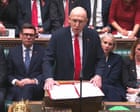
Chancellor John Healey has unveiled significant fiscal measures in the 2026 budget, implementing substantial tax increases on banks and landlords to finance direct financial assistance for millions of British households. The Budget 2026 tax increases represent a deliberate policy shift aimed at addressing persistent economic challenges, with proceeds directed toward providing £100 winter payments to approximately 20 million families struggling with energy bills and living expenses.
The chancellor's first budget address acknowledged persistent headwinds facing the British economy, attributing prolonged difficulties to what he described as "global economic storms." Official economic forecasts accompanying the budget announcement revealed no immediate relief expected for households, with energy price volatility remaining a central concern for economic planners and policymakers throughout the coming fiscal year.
Financial Sector and Property Taxation Framework
The government's approach to revenue generation centers on extracting additional contributions from two sectors considered capable of bearing increased fiscal responsibility. Banking institutions will face enhanced taxation obligations, reflecting broader policy intentions to ensure financial institutions contribute proportionally to public finances during periods of economic strain. Simultaneously, landlords operating within the rental property market will encounter new tax obligations, addressing government priorities regarding housing market dynamics and property investment activities.
These taxation measures form part of a comprehensive budgetary strategy designed to balance revenue requirements with targeted assistance programs. By implementing Budget 2026 tax increases on higher-capacity economic actors, the government aims to fund support mechanisms for vulnerable household segments experiencing acute financial pressures from elevated utility costs and general inflation.
Winter Support Payments and Household Relief
The £100 winter handouts represent the primary vehicle for distributing budgetary resources directly to affected households. Approximately 20 million families qualify for these payments, encompassing a substantial portion of the British population facing documented cost-of-living difficulties. Distribution mechanisms will target households meeting specific criteria, ensuring resources reach those experiencing the most acute economic vulnerability during winter months when energy consumption and associated costs reach annual peaks.
Policy architects recognize that winter support payments address immediate household cash flow pressures while broader economic conditions normalize. The timing of these distributions coincides with seasonal peaks in heating and energy demand, providing meaningful relief during periods when household expenditure on utilities typically increases substantially compared to other seasons.
Global Economic Context and Oil Price Pressures
Chancellor Healey attributed current economic difficulties to international geopolitical developments, specifically referencing tensions involving Iran as contributing factors to elevated global oil and gas prices. These international energy market dynamics directly influence domestic energy costs, creating persistent upward pressure on utility bills and related expenses for British consumers and businesses. The chancellor's analysis connects domestic fiscal policy decisions to broader global economic forces beyond direct government control.
The war-related disruptions to global energy supplies represent structural challenges rather than temporary anomalies, according to official economic assessments included within the budget documents. This perspective suggests that cost-of-living pressures will persist through the medium term, necessitating sustained government intervention and targeted support mechanisms beyond short-term emergency measures.
Official Forecasts and Economic Outlook
Accompanying the 2026 budget announcement, official economic forecasts provide little optimism regarding near-term cost-of-living improvements. Government economists anticipate continued pressure on household finances throughout the budget period and beyond, with energy price volatility remaining a defining characteristic of economic conditions. These forecasts influenced budgetary allocation decisions, prompting the government to prioritize direct household support alongside tax increases on sectors deemed capable of absorbing additional fiscal obligations.
The absence of predicted improvement in living conditions reflects realistic assessments of structural economic challenges facing Britain and other developed economies. Rather than anticipating rapid resolution of cost pressures, policy officials have prioritized mechanisms for managing ongoing difficulties and providing targeted relief to vulnerable populations most severely affected by inflation and energy price fluctuations.
Policy Strategy and Revenue Allocation
The overall budgetary strategy articulated by Chancellor Healey demonstrates deliberate choices regarding tax policy and expenditure priorities. By increasing taxes on banks and landlords, the government establishes that these sectors should contribute additional resources to public finances during periods of economic stress. Simultaneously, directing proceeds toward winter household support ensures that budgetary resources reach populations experiencing documented hardship.
This approach reflects policy judgments about fairness, economic capacity, and appropriate government responses to cost-of-living crises. The Budget 2026 tax increases on financial institutions and property market participants establish that those operating in highly profitable sectors bear responsibility for supporting broader economic stability and household welfare during challenging economic periods.
Implementation and Anticipated Impact
The practical implementation of increased taxes on banks and landlords will occur through established tax administration mechanisms, with revenue collection beginning at specified intervals following budget passage. Financial institutions and property market participants will navigate new tax obligations through modified accounting and financial planning procedures. The £100 winter payments will be distributed through existing welfare administration systems, ensuring efficient delivery to eligible households already identified within government databases.
Government officials anticipate that Budget 2026 tax increases will generate sufficient revenue to fund the proposed household support payments while contributing meaningfully to broader fiscal objectives. Economic modeling incorporated within budget documents projects that the tax increase burden will not substantially constrain lending, investment, or property market activities, though market participants will adjust their planning accordingly to accommodate modified tax obligations.