Burnham Cites Brexit and Thatcher in First PM Commons Speech
Andy Burnham blames Brexit and Thatcher for UK's lost decade in his first Commons speech as prime minister, calling for a return to growth and optimism.
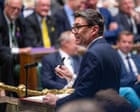
Burnham Addresses Commons on Britain's Political Direction
Prime Minister Andy Burnham delivered his inaugural Commons speech since assuming office six weeks ago, making a direct connection between Burnham's first Commons speech and the nation's recent economic challenges. The newly appointed leader attributed decades of stagnation to a combination of historical policy decisions, specifically referencing Brexit and the legacy of Margaret Thatcher's governance during the 1980s.
Burnham articulated his vision for national recovery by emphasizing the necessity of confronting uncomfortable truths about Britain's trajectory. The prime minister stressed that the country must acknowledge a pattern of miscalculations spanning four decades of political decision-making. This candid assessment formed the foundation for his message to Parliament, wherein he advocated for a comprehensive reassessment of past policies and their consequences on economic performance.
Building Optimism for Economic Recovery
Central to Burnham's parliamentary address was his commitment to fostering a renewed sense of optimism among the British population. He articulated that current conditions provided an opportunity to reverse negative trends and establish a framework for sustainable growth. The prime minister told MPs that his administration would work deliberately to ensure that the coming decade would represent significant improvement over the previous ten years, characterized by persistent low growth rates and economic sluggishness.
The speech reflected Burnham's determination to move beyond recrimination toward constructive solutions. While acknowledging past missteps—including the decision to leave the European Union and the consequences of privatization policies—the prime minister focused his remarks on forward-looking initiatives intended to restore public confidence in government leadership.
Defence Spending Commitment and Military Strategy
During his Commons appearance, Burnham hinted at substantial increases to Britain's defence budget, signalling his intention to commit three percent of gross domestic product toward military spending by 2030. He justified this expenditure increase by referencing his appointment of John Healey as chancellor, explaining that Healey's established record on defence matters provided reassurance that military investment would receive appropriate prioritization within the government's fiscal framework.
This defence spending commitment reflected broader concerns about international security and Britain's geopolitical positioning. The announcement signalled to Parliament and the public that defence infrastructure and military readiness would constitute core policy priorities for the Burnham administration.
Water Industry Reform and Nationalization Prospects
The prime minister opened discussion regarding potential renationalization of Britain's water industry, describing the current privatized system as a