Burnham Urged to Intensify Response to Russian Threat
Opposition parties pressure Burnham to match Macron's urgency on Russian security threats. Latest updates on UK government response and critical infrastructure...
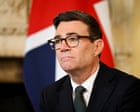
Burnham Faces Mounting Pressure Over Russian Threat Response
Opposition parties across the United Kingdom are intensifying calls for Prime Minister Andy Burnham to adopt a more aggressive stance regarding the Russian threat, drawing comparisons to the decisive measures implemented by French President Emmanuel Macron. The Russian threat response has become a central point of political debate, with critics arguing that the government must accelerate its protective measures for national security.
The pressure on Burnham comes as European leaders demonstrate heightened vigilance concerning geopolitical tensions. Macron has already initiated comprehensive measures to safeguard the country's critical infrastructure, setting a benchmark that opposition parties believe the UK should emulate with greater urgency and determination.
Macron's Infrastructure Protection Framework
French President Emmanuel Macron has established a robust system of protections for critical infrastructure across France. These measures represent a coordinated effort to identify vulnerabilities within essential services and implement preventative strategies against potential threats originating from hostile state actors.
The French approach encompasses multiple sectors, including energy distribution networks, telecommunications systems, transportation infrastructure, and government facilities. By establishing these comprehensive safeguards, Macron has signaled to both domestic constituencies and international partners that France takes national security seriously and is willing to allocate significant resources toward protective measures.
Opposition Calls for Accelerated UK Response
Within the Houses of Parliament, opposition figures have articulated concerns that the government's current approach lacks the pace and comprehensiveness necessary to address contemporary security challenges. These critics contend that the Russian threat remains substantive and evolving, requiring constant adaptation and investment in defensive capabilities.
The debate reflects broader anxieties about national security infrastructure vulnerability in an increasingly complex threat environment. Opposition parties argue that waiting for comprehensive reviews or extended consultation periods could allow critical gaps to develop in the country's protective systems.
Irish Government Support and Diplomatic Engagement
During a significant meeting at No 10 Downing Street, Micheál Martin, the Irish Taoiseach (Prime Minister), commended Burnham for the government's approach to Middle East policy and humanitarian concerns. Martin highlighted the importance of the United Kingdom's stance on sanctions concerning West Bank settlements, connecting these actions to broader principles of justice and human rights.
The Irish leader emphasized that supporting humanitarian values and advancing peaceful resolution in international conflicts reflects important leadership qualities. Martin stated that the UK's position under Burnham's leadership demonstrates commitment to fundamental principles, contributing to regional stability and protecting the legitimate aspirations of all populations for security, peace, and prosperous futures.
Youth Parliament Engagement in National Discourse
The UK Youth Parliament, established in 1999, continues to play an important role in democratic participation and political engagement. This organization facilitates the selection of more than 300 young people aged 11 to 18 through democratic processes within their respective communities, enabling them to represent youth perspectives on diverse policy issues.
These young representatives participate in annual debates held within the House of Commons chamber, providing direct access to the legislative process and allowing younger generations to influence political discussions. The Youth Parliament structure ensures that emerging concerns and innovative thinking from younger demographics receive attention within formal governmental frameworks.
Strategic Context and Future Implications
The current discussions regarding Russian threat mitigation and infrastructure security represent part of broader strategic considerations across European governments. As international tensions fluctuate and technological capabilities advance, nations must continuously reassess and strengthen their defensive postures.
The comparative analysis between UK and French approaches highlights different strategic philosophies and implementation timelines. While France has moved expeditiously to establish comprehensive protective frameworks, UK officials maintain that their gradual, consultative approach ensures implementation effectiveness and public support for necessary security measures.
Opposition parties counter that such deliberation, while valuable in normal circumstances, may prove insufficient when facing dynamic threats that evolve faster than government review processes. The debate continues regarding optimal balance between thorough planning and rapid response capabilities.