Burnham's Christmas Homelessness Plan Faces Housing Crisis Threat
Andy Burnham's pledge to house rough sleepers by Christmas faces setbacks as England's housing shortage worsens and street homelessness rises.
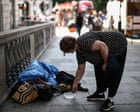
Burnham's Homelessness Pledge Under Pressure
A significant homelessness pledge announced by political leaders to address rough sleeping in England encounters substantial obstacles as housing availability continues to decline across the nation. The ambitious initiative, which aims to provide accommodation for every rough sleeper before the end of the year, now faces considerable challenges stemming from inadequate housing stock and persistently high numbers of individuals experiencing homelessness on city streets.
Rising Rough Sleeping Numbers Complicate Initiative
Recent statistical data reveals a troubling escalation in rough sleeping England cases. Between January and June of the current year, official records document an increase of approximately 1,000 individuals sleeping rough throughout English territories. This upward trend contradicts the objectives outlined in the government's comprehensive homelessness plan, which promised immediate intervention and shelter provision for vulnerable populations.
The expansion of rough sleeping incidents across major urban centers demonstrates the widening gap between available resources and actual demand for emergency housing services. Local authorities report mounting pressure on existing shelter facilities, already operating at maximum capacity during critical winter months.
The Acute Housing Supply Dilemma
At the core of this challenge lies a persistent and multifaceted housing shortage affecting England's entire demographic landscape. The scarcity of suitable residential properties—both temporary and permanent—severely restricts the government's ability to fulfill its commitment to house rough sleepers comprehensively. Property availability remains limited despite increased funding allocations and governmental initiatives.
Housing organizations and support services emphasize that the current crisis extends beyond simple resource allocation. The fundamental shortage of affordable, accessible accommodation units directly undermines strategic planning efforts. Many facilities require renovation or compliance improvements, further reducing immediately available housing options.
Government Response and Political Implications
Senior government officials continue advocating for the homelessness initiative, asserting that Andy Burnham and his administration remain committed to achieving the Christmas deadline despite mounting obstacles. However, critics contend that the timeline may prove unrealistic without substantial increases in housing construction or emergency accommodation procurement.
The political dimension of this homelessness challenge has intensified scrutiny on decision-makers and policymakers responsible for addressing housing policy. Opposition figures question whether current strategies adequately address underlying systemic issues contributing to the street homelessness crisis. Regional authorities struggle to coordinate responses amid constrained budgets and competing priorities.
Broader Implications for Homelessness Policy
This situation underscores fundamental tensions within contemporary urban housing markets. While government commitments demonstrate political will and recognition of urgent social needs, the practical execution remains hampered by structural economic constraints and insufficient infrastructure development. The homelessness pledge represents an important policy objective, yet its realization depends heavily on addressing core housing market dysfunctions.
Advocacy organizations emphasize that sustainable solutions require comprehensive approaches incorporating emergency shelter provision, mental health services, addiction treatment programs, and long-term housing development. Short-term interventions, while valuable, cannot permanently resolve issues rooted in decades of insufficient housing investment.
Future Outlook and Challenges Ahead
As the Christmas deadline approaches, pressure mounts on all stakeholders involved in implementing the homelessness pledge. Local councils, charitable organizations, and government agencies face unprecedented demand for emergency services and accommodation options. Without dramatic increases in available housing stock or alternative emergency shelter solutions, achieving full coverage by year-end appears increasingly improbable.
The convergence of rising rough sleeping numbers, persistent housing shortages, and ambitious political timelines creates complex circumstances requiring innovative solutions and unprecedented resource mobilization. Whether current interventions prove sufficient to meet the stated objectives remains uncertain as winter approaches and street populations continue expanding.