Canadian Leaders Urge 'Fighting Stance' Ahead of US Trade Deadline
Premier Wab Kinew calls for Canada to resist US trade pressures as the deadline approaches. Mark Carney faces challenges securing public support for negotiation...
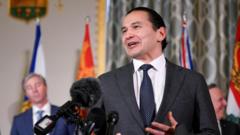
Canada Faces Critical US Trade Deadline with Divided Leadership
The US trade deadline looming on the horizon has sparked intense debate within Canada's political leadership, with provincial voices weighing in on how the nation should respond to mounting pressure from Washington. Premier Wab Kinew of Manitoba has emerged as a vocal proponent of a more assertive approach, signaling that the country should take a combative stance rather than capitulate to demands. His position underscores the complexity Prime Minister Mark Carney faces as he attempts to build consensus among Canadians regarding potential trade agreements with the United States.
Manitoba Premier Calls for Resistance
Premier Kinew's recent statements regarding the US trade deadline have reverberated through political circles, establishing a clear position that Canada must not abandon its negotiating principles. By advocating for the country to "fight," the Manitoba leader has effectively challenged the federal government to demonstrate resolve in upcoming discussions. This stance reflects growing concerns among provincial leaders about the potential consequences of accepting unfavorable terms that could disadvantage Canadian workers and industries.
The premier's rhetoric suggests that submission to American demands would set a dangerous precedent for future bilateral negotiations. His call for resistance represents a broader sentiment emerging from provincial governments, each grappling with how trade agreements will affect their respective economies and constituents.
Carney's Challenge in Building Public Support
Prime Minister Mark Carney confronts a significant hurdle in his effort to secure buy-in from the Canadian public on any potential trade deal negotiated with the US. The leadership displayed by figures like Premier Kinew demonstrates that achieving consensus will require careful navigation of competing interests and viewpoints. Public opinion remains fragmented, with different regions expressing varied concerns about how trade agreements might impact their specific economic sectors.
Carney's administration must address the fundamental question of whether proposed terms genuinely serve Canada's interests or represent concessions made under pressure. The prime minister's capacity to articulate a compelling case for any agreement will determine whether Canadians accept the final outcome as legitimate and beneficial.
Provincial Perspectives Shape National Strategy
The intervention of provincial leaders in the US trade deadline debate highlights the federal structure of Canadian governance, where provinces wield considerable influence over public perception and political viability. Wab Kinew's vocal opposition to a weak negotiating position reflects the concerns of Manitoba's constituents and demonstrates that Ottawa cannot unilaterally impose a trade strategy without provincial cooperation.
Different provinces face distinct economic considerations. Agricultural regions, manufacturing hubs, and resource-dependent communities all weigh trade agreements differently based on their particular economic vulnerabilities and opportunities. This diversity of interest makes building a unified national approach exceptionally challenging.
The Stakes of the Upcoming Negotiations
The US trade deadline represents a critical juncture for bilateral relations and Canadian economic policy. Decisions made during these negotiations will reverberate for years, affecting investment, employment, and growth across multiple sectors. The tension between fighting for better terms and reaching a timely agreement frames the central dilemma facing federal negotiators.
Premier Kinew's stance suggests that rushing toward a deal, merely to meet the US trade deadline, would constitute a strategic error. His call for Canada to "fight" implies that maintaining strong negotiating leverage and protecting core interests should take precedence over speed. This perspective challenges assumptions that any agreement is preferable to extended uncertainty.
Looking Forward: Political Pressure and Economic Reality
As the US trade deadline approaches, political pressure will intensify on both sides of the border. Mark Carney will face mounting scrutiny over whether his negotiating team has secured adequate protections for Canadian industries and workers. The comments from leaders like Premier Kinew provide political cover for critics who might otherwise be dismissed as obstructionist or protectionist.
The federal government's ultimate success in gaining public acceptance of any trade deal will depend heavily on demonstrating that vigorous advocacy for Canadian interests shaped the final agreement. Perceived weakness or excessive compromise could undermine political legitimacy and trigger public backlash, regardless of the technical merits of negotiated terms.


