Channel 4 ADHD Documentary Sparks Major Charity Controversy
An ADHD charity has filed a complaint against Channel 4's controversial documentary about ADHD myths, dubbed the most controversial show of the year.
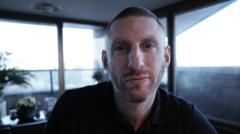
ADHD Charity Raises Concerns Over Channel 4's Controversial ADHD Documentary
A prominent ADHD charity has formally lodged a complaint regarding Channel 4's recent documentary that questions conventional understanding of attention deficit hyperactivity disorder. The ADHD documentary Channel 4 produced has already generated significant debate across the United Kingdom, with multiple organizations expressing their concerns about the program's content and messaging.
The documentary in question, titled "The Great ADHD Myth?", has been widely criticized for its approach to presenting information about this neurodevelopmental condition. According to media reports, one major newspaper has characterized the ADHD documentary Channel 4 released as "the most controversial show of the year," highlighting the substantial reaction it has provoked among viewers, medical professionals, and advocacy groups.
Understanding the Charity's Response
The decision by the ADHD charity to file a complaint represents a significant response from the patient advocacy community. These organizations exist primarily to support individuals living with ADHD and to promote accurate public understanding of the condition. When such groups take formal action against media content, it typically signals serious concerns about factual accuracy, responsible representation, or potential harm to the community they serve.
ADHD charities play a crucial role in educating the public about this neurodevelopmental disorder, which affects millions of people worldwide. Their advocacy work includes combating misconceptions, supporting affected individuals and their families, and promoting evidence-based approaches to diagnosis and treatment. A complaint about a documentary underscores their commitment to ensuring that media representations align with scientific evidence and responsible broadcasting standards.
The Documentary's Content and Impact
Channel 4's program appears to challenge mainstream perspectives on ADHD by questioning various aspects of the condition's identification and prevalence. Such documentaries can generate legitimate discussion about diagnostic practices and medical protocols. However, they also risk spreading misinformation if they present alternative viewpoints without adequate scientific backing or balanced perspective from medical experts and patient communities.
The controversial documentary ADHD coverage has sparked broader conversations about media responsibility when reporting on health-related topics. Medical conditions, particularly neurodevelopmental disorders like ADHD, require careful, nuanced treatment in media to avoid causing confusion or harm to those affected.
Broader Implications for Health Reporting
This incident highlights ongoing tensions between media outlets seeking to present provocative or alternative viewpoints and health advocacy organizations committed to accuracy and evidence-based information. The Channel 4 documentary complaint exemplifies how important stakeholders expect media organizations to adhere to journalistic standards when covering complex medical topics.
ADHD continues to be a subject of public discussion, with ongoing research contributing to evolving understanding of the condition. While scientific inquiry and public debate are valuable, presentations to mass audiences carry particular responsibility to ensure information is presented accurately and responsibly. The ADHD myths documentary controversy reflects these competing pressures in contemporary media.
Moving Forward
The formal complaint filed by the ADHD charity may lead to further investigation by media regulatory bodies or spark additional public debate about the documentary's claims and methodology. Such complaints serve as important accountability mechanisms within broadcasting systems, ensuring that networks maintain standards for factual accuracy and responsible reporting.
Whether Channel 4 opts to respond formally to the complaint, revise its position, or defend the documentary's approach remains to be seen. What is clear is that the Channel 4 ADHD documentary has succeeded in generating significant conversation about how media outlets present information about neurodevelopmental conditions and the importance of balancing provocative narratives with scientific evidence and community input.


