Child Death Inquest Reveals Safety Gaps in London Tower Flat
Inquest into five-year-old Aalim Ahmed's death from 15th-floor window exposes inadequate safety measures in London tower block housing.
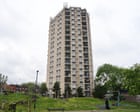
Inquest Highlights Safety Failures in London Tower Block Case
An inquest examining the tragic death of a young child has revealed that crucial safety measures were absent in a London tower flat. The investigation into the fatal incident demonstrates how residential properties housing vulnerable families may lack adequate protective systems to prevent accidents. Child death London tower flat safety issues have become a focal point in discussions about housing standards and negligence prevention.
Aalim Ahmed, a five-year-old boy with autism, died after falling from a kitchen window on the 15th floor of a residential building located in Plaistow, east London. The tragedy occurred on 16 May 2024, when his father, Makail Ahmed, discovered his body early that morning around 5:45am. The incident has prompted authorities to examine whether the property met contemporary safety standards expected in social housing facilities.
Family's Previous Housing Concerns Unaddressed
Court proceedings have revealed that Aalim's family had previously requested relocation from the temporary social housing accommodation. The family's concerns about the suitability of the property appear to have been documented but not acted upon with sufficient urgency. This delay in addressing housing concerns raises questions about how local authorities prioritize requests from families with vulnerable members, particularly children requiring additional care.
The inquest heard testimony regarding the multiple opportunities missed to implement protective measures before the fatal accident occurred. Witnesses discussed how standard safety precautions could have substantially reduced the risk of such an incident happening within the residential unit.
Safety Measures That Could Have Prevented Tragedy
During the inquest proceedings, expert testimony outlined various safeguarding mechanisms that could have been installed in the property. These include window restrictors, specialized locking systems, and protective barriers designed specifically for accommodating families with children, particularly those with additional needs such as autism spectrum disorder.
The investigation emphasized that window safety measures in residential tower blocks require careful consideration, especially when occupants include young children or individuals with conditions affecting impulse control and spatial awareness. Standard installations in modern housing often include features that would have presented significant obstacles to the tragic sequence of events.
Implications for Tower Block Housing Standards
The case has drawn attention to broader systemic issues within the social housing sector, particularly regarding temporary accommodation in high-rise residential structures. Many families remain housed in such facilities for extended periods, during which time they face elevated risks compared to ground-level dwellings.
Experts have highlighted that residential tower block safety protocols vary considerably across different local authorities and housing providers. This inconsistency means that some families receive greater protection than others based purely on geographical location and which organization manages their housing.
Questions About Risk Assessment Procedures
The inquest examined whether proper risk assessments had been conducted when placing a family with a child requiring additional support in a high-floor property. Evidence suggested that vulnerability assessments may not have been sufficiently thorough or regularly updated as circumstances evolved.
Specialist organizations working with autistic children have long emphasized the need for environmental modifications in homes housing such individuals. These modifications typically include window restrictors, cabinet locks, and other preventative measures designed to reduce dangerous behaviors' consequences.
Recommendations and Future Oversight
The inquest's conclusions are expected to generate recommendations for improved housing allocation procedures, enhanced safety standards in temporary social housing, and more rigorous oversight mechanisms for identifying vulnerable households requiring specific accommodations.
Housing authorities nationwide are increasingly recognizing that temporary accommodation solutions must incorporate adequate safety features, particularly when households include dependent children or adults with additional support requirements. The standards established following this tragedy may influence how future placements are evaluated and what mandatory safety installations are required before occupation.