Colombia Earthquake Death Toll Reaches 180 as Rescue Efforts Intensify
Colombia faces devastating earthquake aftermath with 180 deaths confirmed. Rescue teams battle aftershocks while searching for survivors in collapsed structures...
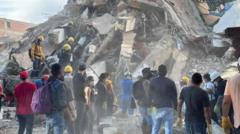
Colombia Earthquake Devastation: 180 Confirmed Deaths
A catastrophic earthquake has struck Colombia, resulting in a tragic death toll of 180 people as of the latest reports. The Colombia earthquake death toll continues to rise as rescue teams work tirelessly to locate survivors beneath the ruins of collapsed buildings and infrastructure. The nation faces an unprecedented humanitarian crisis as emergency services coordinate large-scale search and recovery operations across affected regions.
Ongoing Rescue Operations in Crisis Mode
Search and rescue teams are engaged in intense operations to free individuals who remain trapped beneath debris and damaged structures. Emergency responders have deployed heavy machinery, canine units, and specialized personnel to systematically search through collapsed buildings. The efforts to locate survivors continue around the clock as teams navigate hazardous conditions and unstable wreckage.
Challenges Facing Rescue Teams
Multiple aftershocks on Tuesday created additional obstacles for rescue workers attempting to extract trapped individuals. These secondary seismic events pose significant dangers to both survivors and rescue personnel, complicating extraction efforts and requiring frequent safety pauses. The unpredictable nature of aftershocks has forced teams to implement stricter safety protocols while maintaining operational momentum.
Aftershock Activity and Seismic Monitoring
Colombia experienced numerous aftershocks on Tuesday as seismic activity continued following the initial devastating earthquake. Geological experts monitor seismic patterns closely to provide early warnings and help coordinate rescue operations more effectively. Scientists indicate that aftershock sequences of this magnitude may persist for an extended period, requiring sustained vigilance from emergency management authorities.
Impact on Rescue Timelines
The unpredictable aftershock activity has forced rescue teams to implement stop-and-go operational patterns, which affects the efficiency of search operations. Despite these complications, rescue coordinators remain committed to conducting exhaustive searches throughout affected areas where building collapses have been reported.
National Response and Resource Mobilization
Colombia's government has mobilized extensive resources to address the humanitarian emergency created by the earthquake. National disaster relief agencies, military units, and international assistance providers have been activated to support rescue and recovery operations. The nation's infrastructure has suffered significant damage, requiring comprehensive reconstruction planning alongside immediate life-saving efforts.
International Assistance and Support
International organizations and neighboring countries have begun offering assistance to support Colombia's emergency response efforts. Medical personnel, equipment, and humanitarian aid are being coordinated through international channels to bolster local resources stretched thin by the disaster's scale.
Survivor Extraction and Medical Support
As survivors are freed from rubble, medical teams provide immediate emergency care and triage services. Hospitals throughout affected regions are operating at maximum capacity, with healthcare systems receiving additional personnel and supplies to handle the surge in casualties. The psychological trauma experienced by survivors requires ongoing mental health support alongside physical medical treatment.
Community Impact and Displacement
Thousands of residents have been displaced by the earthquake, requiring emergency shelter and essential services. Communities are working together to provide temporary housing, food, and water supplies to those whose homes have been destroyed or severely damaged. Local authorities are establishing coordination centers to manage humanitarian needs and reunite families separated during the disaster.
Future Preparedness and Reconstruction Planning
As immediate rescue operations continue, Colombian officials have begun discussing long-term rebuilding strategies and earthquake preparedness improvements. Structural assessments of damaged buildings will inform construction standards for future development. The nation faces a lengthy recovery process requiring coordinated efforts across government, private sector, and international partners to restore affected communities and prevent similar devastation in future seismic events.


