Colombia's Presidential Election Shaped by Gang Violence and Peace Talks
Colombia's upcoming presidential election centers on conflicting approaches to combat gang violence. Left-wing candidate supports talks with armed groups while...
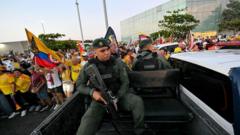
Colombia's Election Defined by Internal Conflict and Gang Violence
Colombia's presidential election has become a referendum on how the nation should address its escalating gang violence and internal strife. The stakes involve fundamental disagreements about whether dialogue with armed organizations represents a viable path toward stability, or whether hardline security measures offer the only realistic solution to criminal organizations terrorizing Colombian communities.
The electoral contest pits two dramatically different visions against each other, each offering fundamentally opposing strategies for tackling the country's most pressing security challenges. These competing approaches have crystallized around personalities and philosophies that reflect deeper divisions within Colombian society about the nature of its internal conflict and the mechanisms most likely to achieve lasting peace.
The Left-Wing Candidate's Dialogue Approach
One major presidential contender represents the left-wing political establishment and champions dialogue with armed criminal organizations as a mechanism for reducing violence. This candidate advocates for negotiated settlements and peace talks as alternatives to military confrontation, arguing that sustained conflict perpetuates cycles of recruitment, displacement, and humanitarian suffering across Colombian territories.
Proponents of this approach contend that direct engagement with armed groups can address underlying grievances and create pathways toward disarmament. They argue that historical precedent, including previous Colombian peace accords, demonstrates that negotiations can achieve what military operations alone cannot: permanent transformation of conflict dynamics and community reintegration of former combatants.
This position resonates particularly among progressive constituencies concerned about military spending, human rights considerations, and the humanitarian costs of prolonged warfare affecting rural populations most severely. The candidate emphasizes that sustained dialogue represents an investment in long-term peace architecture rather than temporary security measures.
The Outsider Candidate's Security-First Platform
The opposing presidential candidate positions himself as an outsider willing to challenge conventional political wisdom. This rival has secured endorsement from international figures, notably drawing support from prominent American political circles. The candidate advocates for aggressive security responses and enforcement-heavy strategies against criminal organizations.
This platform emphasizes strengthening law enforcement capabilities, increasing military resources dedicated to combating armed groups, and implementing stricter criminal justice measures. Supporters argue that security-first approaches offer immediate relief from gang violence and demonstrate government resolve against criminal organizations that profit from instability and exploit vulnerable populations.
Trump Administration Support and International Dimensions
The involvement of external political actors, particularly endorsements from American political figures associated with the Trump administration, adds an international dimension to Colombia's domestic election. Such backing signals alignment with hardline security doctrines that prioritize military solutions and law enforcement intensity.
International engagement in Colombian politics reflects broader hemispheric concerns about narcotics trafficking, criminal organization operations, and regional stability. These connections underscore how domestic Colombian electoral choices carry consequences for bilateral relationships and transnational security cooperation arrangements.
Gang Violence as Central Electoral Issue
The persistent escalation of criminal gang violence has transformed security into the dominant electoral issue. Colombians confronting kidnappings, extortion, territorial warfare between rival organizations, and community displacement increasingly demand leadership capable of addressing immediate safety concerns.
Urban and rural communities alike experience devastating consequences of gang conflict, with criminal organizations battling for control of narcotics trafficking corridors, illegal mining operations, and protection rackets. These groups frequently target civilians, journalists, and social leaders attempting community organizing activities.
Competing Visions for Colombia's Future
This presidential election represents more than routine political competition between candidates. Rather, it constitutes a fundamental choice about Colombia's strategic direction regarding internal security, peace architecture, and governmental philosophy concerning armed opposition.
Voters must evaluate whether sustained dialogue with organizations responsible for serious crimes represents pragmatism or dangerous appeasement. Simultaneously, they consider whether security-focused approaches promise genuine solutions or merely perpetuate militarized responses without addressing root causes driving recruitment into criminal organizations.
The outcome will determine not only who occupies the presidency but also which comprehensive strategy shapes Colombian policy toward armed gangs, international security cooperation, and investment priorities for the coming years.


