COPD Management Guide: Pursed Lip Breathing, Pulmonary Rehab & Lung Exercises
Chronic bronchitis and emphysema treatment guide with lung capacity exercises, pulmonary rehab, and COPD management for better breathing and daily function.
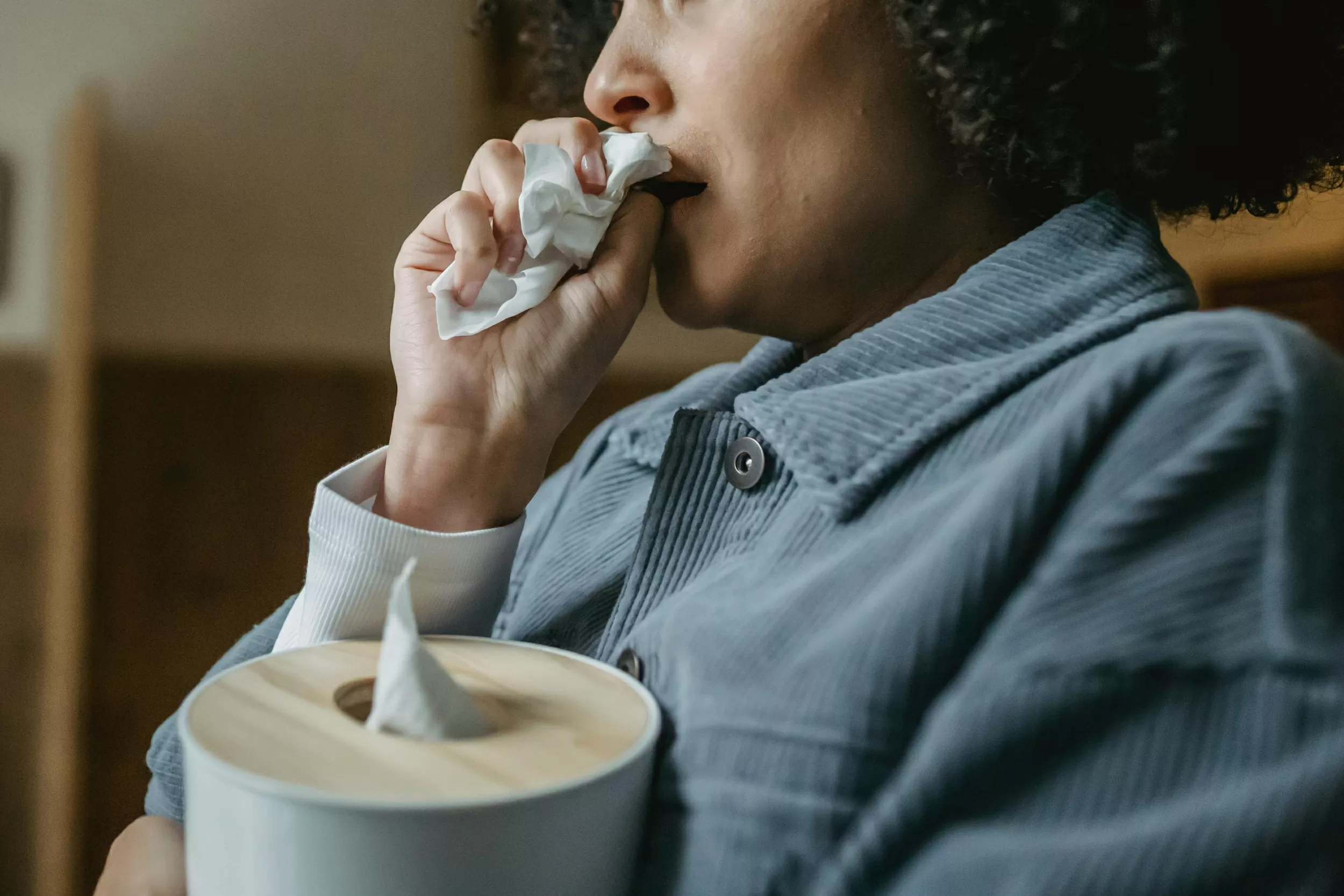
Chronic bronchitis and emphysema are two common respiratory conditions that can greatly impact a person's daily life. These conditions fall under the umbrella term of Chronic Obstructive Pulmonary Disease (COPD), which affects millions of people worldwide. COPD is a progressive disease that causes difficulty in breathing and can significantly reduce a person's lung capacity. However, with proper treatment and management, individuals with COPD can improve their lung function and overall quality of life.
In this article, we will discuss the various treatment options available for chronic bronchitis and emphysema, including lung capacity exercises, pulmonary rehabilitation, and COPD management. By following these guidelines, individuals can improve their breathing and daily function, leading to a better quality of life.
Lung Capacity Exercises:
One of the main symptoms of COPD is reduced lung capacity, which makes it difficult for individuals to breathe properly. Lung capacity exercises are designed to improve the function of the lungs and increase their capacity. These exercises can be done at home and do not require any special equipment.
One of the most effective lung capacity exercises is pursed-lip breathing. This exercise involves taking a deep breath through the nose and exhaling slowly through pursed lips, as if blowing out a candle. This helps to strengthen the diaphragm and improve the exchange of oxygen and carbon dioxide in the lungs.
Another beneficial exercise is diaphragmatic breathing, also known as belly breathing. This involves taking deep breaths, filling the lungs with air, and expanding the belly. This exercise helps to strengthen the diaphragm and improve lung capacity.
Pulmonary Rehabilitation:
Pulmonary rehabilitation is a comprehensive program that includes exercise, education, and support for individuals with COPD. This program is designed to improve the overall function of the lungs and help individuals manage their symptoms effectively.
The exercise component of pulmonary rehabilitation includes a combination of aerobic and strength training exercises. These exercises help to improve lung function, increase endurance, and reduce shortness of breath. The education component focuses on teaching individuals about their condition, how to manage symptoms, and how to prevent exacerbations. The support component provides individuals with the necessary emotional and social support to cope with their condition.
COPD Management:
Managing COPD involves making lifestyle changes and taking medications as prescribed by a doctor. Quitting smoking is the most crucial step in managing COPD, as smoking is the leading cause of the disease. Avoiding exposure to secondhand smoke and other environmental pollutants is also essential.
In addition to lifestyle changes, medications play a vital role in managing COPD. Bronchodilators, which help to open up the airways, are commonly prescribed to individuals with COPD. Inhaled corticosteroids may also be prescribed to reduce inflammation in the airways. It is essential to take these medications as prescribed and to inform the doctor of any side effects.
In severe cases of COPD, oxygen therapy may be necessary. This involves using an oxygen tank or concentrator to provide supplemental oxygen to the body. Oxygen therapy can improve breathing and reduce the risk of complications.
In conclusion, chronic bronchitis and emphysema are two common respiratory conditions that fall under the umbrella term of COPD. While there is no cure for COPD, individuals can improve their lung function and overall quality of life by following a treatment plan that includes lung capacity exercises, pulmonary rehabilitation, and COPD management. It is essential to work closely with a healthcare team to develop a personalized treatment plan and to make necessary lifestyle changes. With dedication and determination, individuals with COPD can lead a fulfilling and active life.