Court Overturns Drumcree March Ban, Reigniting Sectarian Tensions
High court quashes Drumcree march restrictions on Garvaghy Road, reviving decades-old sectarian dispute in Northern Ireland's contentious marching season.
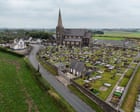
Drumcree March Ban Overturned by High Court
A landmark high court decision has reversed longstanding restrictions on the Drumcree march, reigniting concerns about potential sectarian confrontation in Northern Ireland. The ruling, which quashes the latest limitations imposed on Orange Order parades along the disputed Garvaghy Road, has reopened a contentious debate that authorities hoped had been permanently resolved.
The Drumcree march has served as a flashpoint for sectarian tensions in the region for decades. Near Portadown in County Armagh, the annual Orange Order procession became synonymous with violent clashes between marchers, residents, and police forces throughout the 1990s and early 2000s. The Drumcree march restrictions were originally implemented to prevent the recurrence of these destructive confrontations.
Two Decades of Relative Calm Now Threatened
For approximately twenty years, the Drumcree issue had gradually faded from public discourse as tensions subsided across Northern Ireland. What was once an annual cycle of pitched battles, roadblocks, and sectarian violence evolved into an informal agreement that largely prevented large-scale confrontations during the marching season. Community leaders on both sides of the divide had cautiously accepted the status quo, preferring pragmatic peace over renewed conflict.
The Garvaghy Road, which runs through a predominantly Catholic residential area, became the symbolic center of this dispute. Orange Order members sought to march their traditional routes, while Catholic residents and nationalist organizations objected to what they perceived as triumphalist displays through their neighborhoods. Police operations to manage these marches required enormous resources and often resulted in significant community disruption.
High Court Decision Creates Political Controversy
The high court's decision to quash restrictions on the Drumcree march has immediately sparked political disagreement among Northern Ireland's major parties. Unionist representatives have welcomed the ruling as a vindication of traditional marching rights, while nationalist politicians have expressed alarm about the potential consequences. The court's determination that certain march limitations were disproportionate has opened the door to renewed contestation over parade routes.
Legal experts suggest the ruling reflects broader judicial trends toward protecting freedom of assembly and expression, even in cases with significant community sensitivities. However, critics contend that the high court decision fails to adequately weigh the documented history of sectarian violence associated with the Drumcree march and related Orange Order processions.
Security Implications and Community Concerns
Police and security officials have begun contingency planning in response to the court's decision. The Royal Ulster Constabulary and supporting forces may require substantial deployment along the Garvaghy Road if the Drumcree march proceeds under the new legal framework. Residents in the affected areas have expressed concern about potential disruptions to normal life and the possibility of renewed confrontations.
Community organizations representing both traditions have called for dialogue to prevent the Drumcree march situation from deteriorating. Local representatives acknowledge that while the high court has made a legal determination, practical implementation requires careful negotiation and good faith engagement from all stakeholders. The delicate balance achieved over the past two decades could be jeopardized without sustained commitment to peaceful resolution.
Historical Context of the Drumcree Dispute
The Drumcree march controversy represents one of Northern Ireland's most persistent and contentious sectarian disputes. The Orange Order's desire to march along traditional routes through the Garvaghy Road intersected with nationalist demands for protection from what they viewed as provocative displays. Successive governments and police services struggled to manage the situation without satisfying either community.
The removal of permanent police barriers and the gradual de-escalation of security measures reflected optimism that the worst of the conflict had passed. This high court ruling potentially reverses those hard-won achievements in community relations and introduces significant uncertainty into Northern Ireland's carefully balanced political landscape.