Cryptocurrency Mining Shift: Bitcoin Firms Pursue AI Opportunities
Discover how AI's explosive growth is reshaping the cryptocurrency mining landscape, drawing major Bitcoin operations toward emerging digital asset opportunitie...
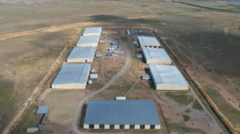
The Changing Landscape of Digital Asset Operations
The cryptocurrency mining sector is experiencing a significant transformation as blockchain-focused enterprises increasingly redirect their resources toward artificial intelligence initiatives. This strategic pivot reflects broader market dynamics affecting Bitcoin mining profitability and operational priorities across the industry.
Throughout August, Bitcoin's market valuation demonstrated upward momentum, yet current levels remain substantially beneath the record highs achieved approximately twelve months prior. This disparity has prompted cryptocurrency mining companies to fundamentally reassess their operational strategies, leading many to implement comprehensive retrofitting programs aimed at diversifying their technological infrastructure and revenue streams.
Understanding the Market Conditions Driving Industry Changes
The competitive pressures within traditional cryptocurrency mining have intensified considerably. As network difficulty increases and block rewards diminish, many operators face narrowing profit margins that challenge the sustainability of Bitcoin-exclusive business models. Several major mining enterprises have begun allocating significant capital toward exploring alternative revenue sources and technological applications beyond conventional blockchain operations.
Industry analysts point to the explosive growth trajectory of artificial intelligence as a primary catalyst for this industry-wide recalibration. The unprecedented demand for computational resources to power AI development and deployment has created lucrative opportunities for companies possessing substantial mining infrastructure and electrical capacity.
Corporate Retrofit Initiatives and Infrastructure Repurposing
Companies operating extensive mining facilities are undertaking ambitious modernization projects to adapt their equipment and infrastructure for dual-purpose applications. These retrofitting initiatives involve sophisticated technological modifications that enable existing mining rigs and data centers to support both cryptocurrency operations and artificial intelligence computational requirements simultaneously.
The reallocation of resources toward AI-focused endeavors represents a deliberate business strategy rather than a complete abandonment of cryptocurrency interests. Many firms recognize that maintaining diversified operational capabilities provides enhanced financial resilience and positions them advantageously within rapidly evolving technology markets.
Investment Priorities and Future Direction
Capital allocation decisions within the mining sector increasingly reflect confidence in artificial intelligence's long-term market potential. Institutional investors and venture capital firms specializing in cryptocurrency technology have demonstrated keen interest in mining companies capable of pivoting toward AI infrastructure provision, viewing such enterprises as positioned to capture emerging market opportunities.
The cryptocurrency mining shift is not uniformly affecting all market participants. Larger enterprises with substantial financial reserves and operational flexibility are leading this transition, while smaller competitors continue focusing on traditional Bitcoin mining operations. This divergence is gradually reshaping the competitive dynamics within the broader cryptocurrency ecosystem.
Technical Requirements and Infrastructure Challenges
Successfully adapting mining infrastructure for artificial intelligence applications requires specialized expertise and significant capital investment. Facilities must undergo substantial electrical system upgrades, cooling system enhancements, and software architecture modifications to efficiently support AI computational workloads. These technical demands have created opportunities for infrastructure specialists and technology consultants within the sector.
Power consumption remains a critical consideration for cryptocurrency mining operations transitioning toward AI applications. AI model training and deployment can require comparable or greater electrical resources than blockchain mining, necessitating careful optimization and strategic facility location decisions based on available energy sources and grid capacity.
Market Implications and Competitive Dynamics
This industry transformation carries significant implications for Bitcoin's hash rate distribution and network security. As mining computational power potentially diverts toward alternative applications, the remaining Bitcoin mining ecosystem experiences structural shifts in competitive intensity and operational efficiency benchmarks.
The cryptocurrency mining shift simultaneously creates opportunities for emerging projects and technologies within the blockchain space. Reduced mining competition for certain blockchain networks may alter profitability calculations and attract new participants with different operational priorities and technological approaches.
Long-Term Industry Outlook
Looking forward, the cryptocurrency mining sector appears positioned for continued evolution as technological advancement and market dynamics create new operational opportunities. Companies demonstrating adaptability and technological sophistication are likely to thrive within this transitional environment, while those maintaining rigid operational frameworks may face sustained competitive pressures.
The intersection of cryptocurrency mining infrastructure and artificial intelligence represents a natural evolution within the technology industry, reflecting how capital and resources flow toward highest-value opportunities. Whether this represents a temporary market phenomenon or represents permanent structural shifts within the sector remains subject to ongoing market development and technological advancement in both cryptocurrency and AI domains.


