Dover Vigilantes Threaten Fresh Protests if Police Fail to Act
Far-right linked group warns of further Dover blockades. Police criticized for inaction as Patriot Platform pledges renewed demonstrations amid immigration tens...
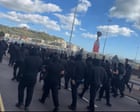
Masked Protesters Warn of Renewed Dover Blockades
The masked, black-clad activists who orchestrated significant disruptions at Dover have issued fresh warnings about potential repeat actions, with campaigners and political figures expressing serious concern over police response capabilities. The group identified as Patriot Platform, an anti-immigration organization with documented connections to far-right movements, has signaled its readiness to mobilize supporters for additional demonstrations if law enforcement fails to implement stricter preventative measures.
Hope Not Hate's leadership has highlighted what it describes as a critical gap in police operational capacity, arguing that the far-right linked group continues to exploit this perceived inaction to coordinate large-scale mobilizations. The founder emphasized that the ability of such organizations to gather and execute coordinated blockades stems directly from insufficient law enforcement intervention strategies.
Understanding the Patriot Platform Movement
Patriot Platform distinguishes itself through rhetoric emphasizing fierce patriotism and homeland protection, positioning immigration policy as a central concern. The organization's leadership frames its activism as a response to what members perceive as government negligence regarding border security and immigration processing.
The Dover vigilantes incident marked a significant escalation in visible activism from this sector. Road blockades disrupted normal traffic flow and generated substantial media attention, serving as a demonstration of the group's organizational capacity to mobilize supporters quickly and coordinate actions across multiple locations simultaneously.
Police Response and Strategic Gaps
Law enforcement agencies now face mounting pressure to develop more effective counter-strategies to prevent future disruptions. Critics argue that existing police protocols have proven insufficient in deterring organized far-right demonstrations, particularly those involving coordinated road blockages that cause widespread public inconvenience.
The incident exposed potential vulnerabilities in how authorities manage demonstrations that combine elements of civil disobedience with infrastructure disruption. Activists wearing balaclavas and dark clothing created visual impact while maintaining anonymity, complicating identification and accountability measures. This tactical approach has become increasingly common among militant protest movements across various political spectrums.
Political and Public Concern Over Escalation
Political representatives have joined campaigners in expressing alarm about the apparent trajectory of such protests. The threat of renewed Dover vigilante actions has prompted discussions about whether current government resources dedicated to monitoring and preventing far-right activity prove adequate for emerging challenges.
Immigration remains a contentious political issue across the United Kingdom, with debates intensifying around asylum processing, border control, and integration policies. Organizations like Patriot Platform have capitalized on these tensions, recruiting supporters who share anxieties about demographic change and immigration's social implications.
Broader Implications for Public Order and Security
The Dover vigilantes situation represents a broader pattern of politically motivated activism attempting to influence policy through disruptive public demonstrations. The success in organizing the initial blockade has reportedly encouraged members and strengthened organizational confidence in their ability to execute future actions.
Security analysts suggest that without decisive police intervention, the precedent established by successful road blockades may inspire similar actions at other critical infrastructure points. Port facilities, motorway junctions, and other strategically important locations could become targets for future far-right demonstrations seeking maximum visibility and disruption potential.
Countering Misinformation and Extremist Narratives
Hope Not Hate and similar organizations have initiated educational campaigns to counter the narratives promoted by groups like Patriot Platform. These campaigns emphasize factual immigration statistics, legal asylum procedures, and the contributions of immigrants to British society.
The Dover vigilantes incident has intensified debate about balancing free speech protections with preventing radicalization and extremist organizing. Civil liberties advocates caution against overreaching police responses, while security-focused commentators argue that greater surveillance and preventative action proves necessary.
Forward Outlook and Preventative Measures
Moving forward, authorities are reportedly developing enhanced protocols specifically designed to address large-scale far-right demonstrations. These strategies may include improved intelligence gathering, community engagement initiatives, and coordinated responses involving multiple police forces across regional boundaries.
The threat of repeated Dover vigilantes actions underscores the ongoing challenge of managing political activism that operates at the intersection of free expression and public disorder. Policymakers continue grappling with how to address root grievances while simultaneously preventing militant tactics from disrupting essential infrastructure and public services.