Eleven Deaths Reported After Israeli Military Operations in Southern Lebanon
Israeli military conducts strikes on southern Lebanon targeting what officials describe as Hezbollah infrastructure. Eleven casualties reported amid escalating...
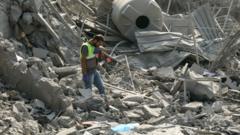
Israeli Military Operations Result in Significant Casualties in Southern Lebanon
Israeli military strikes on southern Lebanon have resulted in eleven reported deaths, according to local authorities. The Israeli military stated that these Israeli military strikes were conducted in response to what officials characterized as prior hostile actions directed against Israeli soldiers. The operations targeted what military officials identified as Hezbollah terror infrastructure, marking another escalation in regional tensions.
Details of the Military Response
The Israeli military confirmed that the strikes were launched as a defensive measure following what it described as earlier provocations. Military spokesperson statements indicated that the targets were specifically selected based on intelligence assessments of potential threats associated with Hezbollah's operational capabilities in the region. The strikes represent a continuation of heightened military activity in the border area between Israel and Lebanon.
Infrastructure Targets and Military Strategy
According to Israeli military officials, the infrastructure targeted during these operations was directly linked to Hezbollah's military apparatus. The designation of these facilities as "terror infrastructure" reflects the Israeli military's classification of Hezbollah-associated sites. Military strategists emphasized that the operations were precision-focused, intended to minimize civilian impact while addressing perceived security threats.
Regional Security Implications
The incident underscores the ongoing tensions characterizing the Israel-Lebanon border region. Southern Lebanon has historically been a focal point for military activities, with various armed groups maintaining presence in the area. The reported casualties have drawn attention to the human cost of regional military operations and the vulnerability of civilian populations in conflict-affected zones.
International Response and Concerns
Military analysts note that such operations typically trigger international scrutiny regarding proportionality and civilian protection standards. The strikes on southern Lebanon represent part of a broader pattern of military exchanges in the region, with implications extending beyond immediate borders. Regional observers continue monitoring developments closely given the potential for further escalation.
Impact on Local Communities
The eleven deaths reported by authorities highlight the direct humanitarian impact of military operations. Southern Lebanon, home to diverse communities, faces ongoing security challenges stemming from the region's complex geopolitical dynamics. Local officials have expressed concerns about civilian safety and infrastructure damage resulting from the military strikes.
Previous Incidents and Context
The Israeli military action follows what officials described as hostile actions against Israeli soldiers, though specific details of the preceding incidents remain limited in public statements. This pattern of escalating military responses reflects the volatile nature of Israeli-Lebanese border security issues. Historical context shows that such incidents often lead to cycles of military actions and counter-actions.
Security Assessment and Future Outlook
Military analysts assess that the current situation reflects ongoing tensions that characterize the broader Middle Eastern security landscape. The targeting of what Israeli authorities identify as Hezbollah infrastructure suggests continued concerns about militant activity in the region. Future developments will likely depend on how both sides interpret recent events and respond to further provocations.
Monitoring and Verification
Independent verification of military claims remains challenging in conflict situations. While Israeli military statements confirm the operations and their objectives, independent assessments of infrastructure types and casualty figures are limited. International organizations monitoring the region continue documenting incidents for humanitarian and security analysis purposes.
Broader Implications for the Region
The incidents in southern Lebanon contribute to a pattern of military activities affecting the Middle East's stability. The involvement of Israeli military forces in operations targeting entities within Lebanon demonstrates the transnational security challenges characterizing the area. Such operations maintain international attention and diplomatic considerations regarding regional security frameworks.


