England's Drought Crisis Affects Over Two-Thirds
More than two-thirds of England faces severe drought conditions as East Midlands and southern regions officially enter drought status. Climate impact update.
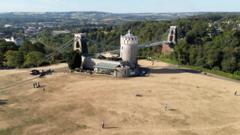
England's Drought Crisis Expands Across Multiple Regions
England's drought crisis has intensified significantly as additional regions join the growing list of areas facing severe water shortages. More than two-thirds of England now finds itself affected by drought conditions, marking a critical escalation in the environmental situation affecting millions of residents and businesses across the country.
Major Regions Entering Drought Status
Several key areas have officially transitioned into drought status, reflecting the deteriorating water availability situation. The East Midlands, encompassing Lincolnshire and Northamptonshire, has been classified as drought-affected. These regions, known for their agricultural significance and industrial activity, now face substantial constraints on water usage and availability.
In addition to the Midlands territories, southern England has experienced further expansion of drought conditions. Kent and East Sussex, located in the southeastern portion of the nation, have entered formal drought classification. This development affects one of England's most densely populated regions, with significant implications for residents, agriculture, and commercial operations.
Southern England Drought Declarations
The Solent and South Downs areas have likewise been officially designated as drought regions. This declaration encompasses the region surrounding the Solent estuary and the distinctive chalk uplands of the South Downs, areas crucial to the southeast's water supply infrastructure.
The progression of England's drought crisis demonstrates the accelerating nature of water stress across the nation. The expansion into these multiple zones simultaneously indicates a widespread phenomenon rather than localized water management challenges. Authorities have implemented this classification system to activate appropriate response protocols and water conservation measures.
Implications for Water Management and Conservation
With more than two-thirds of England affected, the drought status designation triggers specific protocols for water companies and regional authorities. These measures typically include enhanced monitoring of water usage, restrictions on non-essential water consumption, and potential limitations on agricultural irrigation and industrial applications.
The drought crisis affects not only urban populations but also agricultural communities that depend on consistent water availability for livestock and crop production. The East Midlands' status as a significant agricultural region means the drought will have direct consequences for food production and farming operations throughout that area.
Government agencies and water authorities continue to assess the situation across all affected regions, including the East Midlands, Lincolnshire, Northamptonshire, Kent, East Sussex, the Solent, and the South Downs. These assessments inform decisions about additional restrictions and emergency measures that may become necessary.
Regional Impact and Recovery Outlook
The continuation of drought conditions across such a substantial portion of England's territory suggests that recovery may require extended periods without significant rainfall. Communities within the affected regions are adjusting to new water conservation requirements and planning for potential further restrictions.
Water companies operating in the drought-affected areas are implementing contingency plans and public awareness campaigns to encourage voluntary conservation efforts. The severity of the situation demands cooperation from residents, businesses, and agricultural operators throughout all impacted territories.
England's drought crisis, affecting more than two-thirds of the nation, represents a significant environmental challenge that will shape water policy and resource management decisions in the months ahead.