Far-right Activist Damages Dinghy During Channel Rescue Operation
Extremist activist Daniel Thomas damages inflatable dinghy in English Channel during rescue operation. Border Force redirects asylum seekers to Dover amid escal...
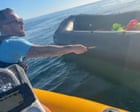
Extremist Activist Damages Vessel During Channel Operations
A concerning incident involving dinghy damage in the Channel has raised alarm among humanitarian organizations and rescue authorities. Far-right activist Daniel Thomas was captured on video using a blade to damage an inflatable dinghy in the English Channel while a rescue worker remained aboard the vessel, marking a serious escalation in organized anti-immigration demonstrations along British coastal waters.
The dinghy damage incident represents an unprecedented level of aggression against maritime rescue operations. Charities and humanitarian groups have issued strong condemnations following the release of footage showing the disturbing nature of the confrontation and the deliberate nature of the vessel damage.
Coordinated Protest Effort in Gosport
The incident occurred amid a larger organized effort to disrupt asylum seeker arrivals across southern England. On Tuesday evening, hundreds of protesters assembled in Gosport, Hampshire, with the explicit aim of preventing asylum seekers from disembarking from Border Force vessels at the location.
Thomas had utilized social media platforms to encourage followers to join the coordinated gathering, calling for disruption of immigration operations. His communications specifically targeted the planned arrival of migrants at the Gosport location, demonstrating premeditation and organization behind the protest movement.
Border Force Response and Rerouting
Despite the substantial protest presence, Border Force officials implemented contingency protocols to ensure the safety of both asylum seekers and rescue personnel. Rather than proceeding with the planned Gosport disembarkation, the agency redirected its vessels to Dover, preventing direct confrontation between protesters and arriving migrants.
This operational decision reflected Border Force's commitment to prioritizing safety during increasingly volatile circumstances. The rerouting represented a strategic response to the escalating nature of anti-immigration activities occurring at various English coastal locations.
Escalating Tensions in Anti-Immigration Movement
The dinghy damage incident underscores growing concerns about the tactics employed by certain extremist factions within the broader anti-immigration movement. What began as vocal protests has evolved into physical confrontations and deliberate damage to rescue equipment.
Maritime authorities and humanitarian organizations have expressed particular concern about the willingness of some activists to endanger rescue personnel. The presence of a rescue worker aboard the damaged vessel during the incident highlights the dangerous nature of such confrontations and their potential to impede legitimate emergency operations.
Humanitarian and Legal Implications
Charities working with vulnerable migrants and asylum seekers have condemned the escalating violence and property damage. These organizations emphasize that disrupting rescue operations endangers lives and undermines the fundamental humanitarian principles governing maritime safety protocols.
Legal experts note that deliberately damaging vessels used in rescue operations may constitute serious criminal offenses under maritime and emergency response legislation. The documented nature of the dinghy damage incident provides authorities with clear evidence for potential prosecution.
Broader Pattern of Coastal Confrontations
The Gosport incident represents one of several recent confrontations occurring at English coastal towns and ports. These organized demonstrations reflect broader political tensions surrounding immigration policy and border management in the United Kingdom.
The coordination demonstrated by participants, including the use of social media to mobilize supporters, suggests a degree of organization that extends beyond spontaneous grassroots activity. This coordinated approach has prompted authorities to increase monitoring and security measures at vulnerable coastal locations.
Looking Forward
As Border Force continues managing maritime migration challenges, the agency faces mounting pressure to balance operational effectiveness with community relations. The decisions made during incidents like the dinghy damage event will shape future protocols for managing both rescue operations and public gatherings.
The incident in Gosport serves as a stark reminder of the complexities surrounding contemporary immigration debates and the need for dialogue that does not escalate to violence or the deliberate endangerment of rescue personnel and asylum seekers alike.