FIFA Abandons Controversial World Cup Investment Strategy
FIFA scraps its World Cup investment plan amid widespread backlash against Gianni Infantino's proposal to sell competition stakes.
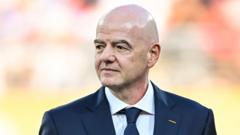
FIFA Scraps World Cup Investment Initiative
Football's international governing body has officially abandoned its FIFA World Cup investment plan, marking a significant reversal following intense opposition from stakeholders across the global sport. The decision comes after widespread criticism of President Gianni Infantino's ambitious proposal to monetize the organization's premier competitions through partial stake sales.
Background of the Controversial Proposal
The World Cup investment scheme represented an unprecedented attempt to generate additional revenue streams by divesting portions of FIFA's most valuable properties. Infantino's vision involved offering financial interests in major football tournaments to external investors, fundamentally altering the ownership structure that has defined international football governance for decades. This approach would have transformed how the world's most prestigious competitions are managed and controlled.
Nature of the Investment Strategy
Under the proposal, FIFA would have retained operational control while permitting external capital partners to acquire meaningful equity positions in competitions. This hybrid model aimed to inject substantial financial resources into football development initiatives while maintaining organizational autonomy. However, the plan's mechanics quickly became a focal point of controversy within football circles globally.
Widespread Opposition Emerges
The World Cup investment plan faced immediate and comprehensive resistance from multiple constituencies within international football. National football associations expressed concerns about diluting FIFA's independence and potential conflicts of interest. Players' unions worried about profit-sharing arrangements affecting athlete compensation and development programs. Fans and supporters groups viewed the initiative as commercializing the sport's most sacred traditions.
Media organizations covering football extensively questioned whether external investors would influence competition formats, scheduling decisions, and tournament regulations. Sponsors of existing tournaments raised concerns about their investments and partnership agreements being compromised. Club organizations internationally voiced apprehension regarding potential impacts on their players' availability during World Cup periods.
Gianni Infantino's Original Vision
Gianni Infantino had championed the investment initiative as essential for FIFA's future financial sustainability and global football development. He argued that external capital would accelerate infrastructure improvements in emerging football nations and enhance competitive balance internationally. The FIFA president positioned the strategy as a modernization effort necessary for adapting to contemporary sports commerce dynamics.
Infantino's administration developed comprehensive business cases demonstrating projected revenue enhancements and capital deployment mechanisms. His team engaged investment advisors to structure deals that would theoretically satisfy regulatory requirements across different jurisdictions where FIFA operates. The president's office coordinated presentations to key stakeholder groups explaining the initiative's potential benefits.
Reasons for the Plan's Rejection
The decision to completely abandon the World Cup investment initiative reflects FIFA's recognition that stakeholder consensus could not be achieved. Organizational leadership concluded that proceeding despite opposition would create governance challenges and potentially damage relationships essential to FIFA's operational effectiveness. The reversal demonstrates that even FIFA's most powerful leadership cannot unilaterally implement fundamental structural changes without broader support.
Governance and Transparency Concerns
Critics highlighted insufficient transparency in the proposal's development process. Stakeholders complained about inadequate consultation periods and limited opportunities to provide substantive input. Questions emerged about whether FIFA's governance structures—designed decades ago—remained appropriate for addressing contemporary challenges in modern professional football.
Economic Considerations
Analysts expressed skepticism about the financial models underpinning the investment proposal. Some questioned whether projected returns justified relinquishing ownership stakes in FIFA's most valuable assets. Others worried that external investors' profit motives might eventually conflict with international football's broader development objectives and competitive integrity.
Impact on FIFA's Future Direction
This reversal signals significant limitations on FIFA's ability to unilaterally reshape its organizational structure despite centralized authority. Future major initiatives will likely require demonstrating broader stakeholder consensus beforehand. The outcome reflects evolving expectations regarding sports governance transparency and inclusive decision-making processes.
FIFA now faces questions about how to generate revenues necessary for increased football development spending and infrastructure investments globally. Alternative funding approaches will require careful consideration of stakeholder interests and organizational values. The abandoned World Cup investment plan will be studied as a case study in sports governance challenges and the importance of consultation processes.
Conclusion
Football's governing body's decision to discontinue the investment initiative represents an important moment in international sports governance. While Infantino's vision reflected genuine concerns about FIFA's financial sustainability, the implementation approach prioritized organizational interests over stakeholder consensus. The FIFA World Cup investment plan's abandonment underscores that successful governance reforms require building sufficient support among diverse constituents within global football.


