Former Olympic Athlete Denies Damaging Washington Reflecting Pool Monument
A former Olympic competitor faces vandalism charges after alleged damage to the Washington Reflecting Pool. He claims he was merely examining fresh paint out of...
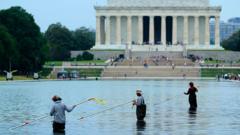
Ex-Olympian Addresses Washington Reflecting Pool Vandalism Allegations
A former Olympic competitor has firmly rejected accusations of vandalizing the Washington Reflecting Pool, one of the nation's most iconic landmarks. The athlete, arrested in connection with the incident, maintains his innocence and provides a distinctly different account of the events that led to his detention.
The Suspect's Version of Events
According to the former competitor's statement, his interaction with the Washington Reflecting Pool was entirely innocent in nature. He claims he was simply examining newly applied paint at the site, driven purely by curiosity about the restoration work. The alleged Olympian emphasizes that he neither removed nor deliberately altered any materials at the location.
The distinction between examining and vandalizing becomes crucial in this case. The defendant contends that touching fresh paint to inspect its quality or texture does not constitute deliberate property damage or vandalism. His legal position centers on the lack of intentional harm or alteration to the monument's integrity.
Understanding the Washington Reflecting Pool Context
The Washington Reflecting Pool represents an integral component of the National Mall landscape, serving as a symbol of American heritage and democratic values. Any incidents involving this historic site naturally attract significant attention from authorities and the public alike. The monument underwent recent maintenance work, which explains the presence of new paint that became central to this controversy.
Restoration and maintenance projects at prominent national landmarks require careful coordination and security measures. The timing of the alleged Washington Reflecting Pool vandalism, occurring during or immediately after restoration efforts, raises questions about whether adequate safeguards were in place.
Legal Implications and Investigation Details
The charges stemming from the Washington Reflecting Pool incident mark a significant moment in the former athlete's life, potentially affecting his reputation and career legacy. Law enforcement officials have not publicly disclosed detailed evidence supporting their vandalism allegations, leaving gaps in the narrative that the defendant's statement attempts to fill.
The investigation into this matter continues to develop, with officials examining surveillance footage, witness statements, and physical evidence from the scene. The distinction between innocent contact with wet paint and intentional vandalism remains a central point of contention in the case.
Olympic Career and Public Profile
The individual's background as an Olympic competitor adds another dimension to the story, drawing heightened media scrutiny. Former athletes often maintain public profiles that can be affected by legal troubles, regardless of guilt or innocence. This case illustrates how incidents involving national monuments can quickly escalate in terms of public and official attention.
The accused has not elaborated extensively on his motivations for visiting the Washington Reflecting Pool location or the specific circumstances that drew him to the freshly painted area. His defense relies primarily on the assertion that curiosity, rather than malicious intent, guided his actions.
Evidence and Charges
Authorities have proceeded with vandalism charges based on their investigation findings, though the exact evidence supporting these allegations remains partially sealed from public disclosure. The former Olympic athlete's denial suggests significant disagreement between his account and official conclusions about what transpired at the Washington Reflecting Pool.
The burden of proof rests with prosecutors, who must demonstrate intentional property damage beyond touching or examining paint. The defendant's statement provides a framework for potential defense arguments, emphasizing the absence of removal, alteration, or destructive intent.
Broader Implications for Monument Security
This incident raises important questions about access to and protection of America's most valued monuments. The Washington Reflecting Pool, being a public space accessible to millions of visitors annually, faces inherent challenges in security and preservation. Incidents involving alleged vandalism at such sites prompt reviews of existing protocols and protective measures.
Future maintenance and restoration projects at national monuments may incorporate additional safeguards to prevent unauthorized contact with newly applied materials. The balance between public accessibility and site protection represents an ongoing concern for monument managers and federal authorities.
Looking Forward
As this case progresses through the legal system, additional details will emerge regarding the circumstances surrounding the Washington Reflecting Pool incident. The former Olympic athlete's defense will likely focus on distinguishing between innocent curiosity and deliberate vandalism, a crucial distinction that could determine the outcome of the proceedings.
The case serves as a reminder of how quickly public incidents involving national landmarks can escalate and attract significant attention, particularly when individuals with notable backgrounds become involved.


