Fuel Theft Surges £200,000 Daily at UK Forecourts Since Iran Crisis
Fuel theft in the UK has increased by 20% since the Iran conflict began, with £200,000 stolen daily from forecourts. Industry analysis reveals alarming security...
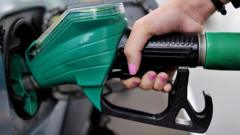
Fuel Theft UK Forecourts Reaches Critical Levels During Geopolitical Tensions
Fuel theft UK forecourts has become an increasingly serious problem, with evidence showing that approximately £200,000 worth of fuel is being stolen without payment every single day across British petrol stations. This alarming trend coincides with the escalation of tensions in the Middle East, specifically following the onset of the Iran conflict. Industry specialists have conducted comprehensive analysis of theft patterns and found disturbing growth in criminal activity at the nation's fuel distribution points.
Sharp Rise in Fuel Theft Incidents Documented
Recent data compiled by sector analysts indicates that fuel theft incidents have climbed significantly over a five-month period. The increase of approximately twenty percent demonstrates a troubling acceleration in criminal behavior at forecourts nationwide. This spike represents not only a financial burden for fuel retailers but also highlights growing security vulnerabilities across the industry.
What Drives the Fuel Theft Surge?
Experts attribute the escalation of fuel theft to multiple interconnected factors. The geopolitical situation involving Iran has created uncertainty in global energy markets, potentially influencing consumer behavior and criminal activity. Fuel prices fluctuate based on international tensions, making theft more financially attractive for criminals. Additionally, some analysts suggest that economic pressures on households may drive individuals toward opportunistic theft at forecourts.
Financial Impact on Retailers and Industry
The daily loss of £200,000 translates to substantial annual financial damage to UK fuel retailers. When calculated across the entire year, this represents nearly £73 million in stolen fuel products. These losses directly impact operational costs, forcing retailers to increase prices or reduce profit margins. Independent forecourt operators face particular strain, as they typically have thinner margins compared to large chain retailers.
Security Measures Under Scrutiny
Industry observers have begun questioning whether current security protocols at UK forecourts are adequate to combat the rising theft epidemic. Many stations still rely on traditional payment systems and surveillance methods that may not deter determined thieves. The fuel theft UK forecourts phenomenon has prompted calls for enhanced CCTV installation, improved cashier monitoring systems, and better coordination between law enforcement agencies and retailers.
Geographical Patterns in Fuel Theft
Analysis reveals that fuel theft occurs across all regions of the United Kingdom, though certain areas experience higher rates than others. Urban forecourts and those located near major motorways report elevated theft incidents compared to rural stations. This geographic distribution suggests that thieves target high-traffic locations where driver turnover is rapid and identification may prove difficult.
Methods Employed by Fuel Thieves
Criminals employ various techniques to steal fuel without detection. Some individuals pump fuel but leave without entering the shop or making payment. Others manipulate pump systems or use fraudulent payment methods. Drive-off incidents, where vehicles depart without settling fuel charges, represent the most common category. More sophisticated criminals have allegedly infiltrated station systems or employed distraction techniques to facilitate larger thefts.
Industry Response and Preventative Actions
Fuel retailers across the UK have begun implementing stricter protocols to combat the escalating theft problem. Many forecourts now require prepayment before fuel dispensing begins, significantly reducing opportunities for criminal activity. Larger chains have invested in advanced payment technologies and improved surveillance infrastructure. Trade associations representing fuel retailers have lobbied government agencies for additional support in addressing this security crisis.
Law Enforcement Involvement
Police forces nationwide have been notified of the surge in fuel theft incidents and have begun dedicating resources to investigate organized criminal networks. Some constabularies have launched specific operations targeting prolific offenders and vehicle-based theft rings. However, resource constraints mean that prosecution efforts remain limited compared to the scale of the problem.
Long-Term Implications for the Sector
If fuel theft UK forecourts continues to escalate at current rates, the industry faces significant challenges regarding sustainability and viability of smaller operators. The combination of geopolitical uncertainty, economic pressures, and security vulnerabilities creates a perfect environment for continued criminal activity. Stakeholders emphasize that comprehensive solutions require cooperation between retailers, law enforcement, government policymakers, and consumers who must collectively commit to stamping out this criminal behavior.
Consumer Awareness and Responsibility
Industry representatives stress the importance of customer cooperation in combating fuel theft. Forecourt staff encourage customers to report suspicious activity and maintain ethical purchasing practices. Public education campaigns emphasize that fuel theft ultimately increases costs for all consumers through higher pump prices, making collective responsibility essential for maintaining reasonable fuel pricing across the nation.


