Funeral Director Imprisoned for 20 Years After Failing to Bury Bodies
A disgraced funeral director has been sentenced to 20 years in prison for failing to bury and cremate bodies, and giving relatives ashes of strangers.
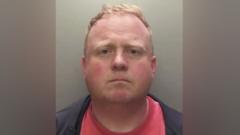
Funeral Director Sentenced to 20 Years for Body Disposal Failures
A prominent funeral director has been imprisoned for 20 years following a shocking scandal involving the failure to properly handle deceased individuals and the distribution of incorrect ashes to grieving families. The case against the funeral home operator revealed systematic negligence that affected numerous bereaved families seeking dignified final arrangements for their loved ones.
The Scope of the Fraudulent Operations
The funeral director failed to execute essential services that families had paid for, including proper burial procedures and cremation processes. Instead of completing the requested arrangements, the individual kept bodies in storage for extended periods without notification to relatives. This breach of trust represented a profound violation of the funeral industry's fundamental responsibilities.
Incorrect Ashes Distributed to Families
One of the most disturbing aspects of the case involved the distribution of cremated remains. Grieving families who believed they were receiving the ashes of their deceased relatives actually received cremains belonging to strangers. This deception compounded the emotional trauma already experienced by those mourning their losses, as families discovered they had been given the wrong remains during commemorative services or home placement.
Investigation and Legal Proceedings
Authorities launched a comprehensive investigation into the funeral home's operations after complaints emerged from multiple families. The investigation uncovered extensive documentation of neglected cases, improper record-keeping, and deliberately misleading families about the status of their loved ones' arrangements. Evidence presented during the trial demonstrated a pattern of fraudulent behavior spanning several years.
Impact on the Funeral Industry
This scandal has raised serious concerns about oversight and regulation within the funeral services sector. The case highlighted significant gaps in accountability mechanisms designed to protect vulnerable families during their most difficult times. Industry observers have called for stricter licensing requirements and more frequent inspections of funeral facilities to prevent similar abuses.
Sentencing and Consequences
The 20-year prison sentence reflects the severity of the crimes and the extensive harm caused to grieving families. The court recognized that beyond the practical failures—such as the funeral director's refusal to bury bodies and perform cremations—there was an intentional deception component that constituted fraud against bereaved individuals. The sentencing sends a clear message about the judicial system's commitment to protecting vulnerable populations.
Restitution and Family Support
As part of the sentencing, measures have been implemented to assist affected families in locating their loved ones' remains and pursuing appropriate remedies. Support services have been made available to help these families process the trauma of discovering their relatives were not given the dignified treatment they deserved. The case has prompted discussions about implementing comprehensive victim support programs within the funeral services industry.
Broader Implications for Consumer Protection
This high-profile case underscores the importance of consumer protection regulations in service industries that deal with sensitive matters. Families selecting funeral services often do so under emotional stress and may not have the capacity to verify details about arrangements. The case demonstrates why regulatory frameworks must include robust inspection protocols, transparent record systems, and clear communication requirements between funeral homes and families.
The implications of this funeral director's misconduct extend beyond the immediate victims, affecting public trust in funeral service providers generally. Industry leaders have responded by advocating for higher professional standards and improved transparency in operations.


