Glacier Collapse Triggered Catastrophic Nepal-Tibet Disaster
Scientists confirm glacier collapse caused devastating Nepal-Tibet floods, highlighting rapid Himalayan ice melt and climate risks in the region.
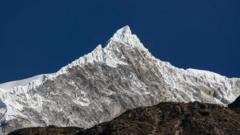
Glacier Collapse Triggers Catastrophic Nepal-Tibet Floods
A significant glacier collapse in the Himalayan region has emerged as the primary catalyst behind the devastating Nepal-Tibet floods, according to preliminary investigations conducted by international scientific teams. The glacier collapse Nepal-Tibet incident underscores growing environmental concerns regarding the accelerating deterioration of ice formations across one of the world's most vulnerable mountain ranges.
Environmental researchers and glaciologists have been working systematically to determine the exact sequence of events that led to the catastrophic flooding. Their findings indicate that the structural failure of the glacier, likely caused by elevated temperatures and changing atmospheric conditions, released massive volumes of ice, water, and debris downstream. This phenomenon has become increasingly common in recent years, drawing critical attention to the broader issue of environmental transformation in high-altitude regions.
Understanding the Himalayan Ice Melt Crisis
The Himalayan ice melt represents one of the most pressing environmental challenges of our time. Scientists have documented substantial reductions in glacier mass across the range, with warming trends accelerating the melting process at unprecedented rates. These glaciers serve as crucial freshwater reservoirs for billions of people across Asia, making their deterioration a matter of significant concern for regional stability and water security.
The rapid Himalayan ice melt phenomenon is not isolated to a single location but rather reflects a systemic pattern observed throughout the mountain range. Glaciers that have remained relatively stable for centuries are now experiencing dramatic shrinkage. Temperature increases, shifting precipitation patterns, and reduced snowfall have collectively created conditions conducive to accelerated melting and structural instability within glacier systems.
The Flood Event and Its Impact
The Nepal flood disaster unfolded with devastating consequences for communities situated in vulnerable valleys and downstream regions. The sudden release of glacial water, combined with debris flows and landslides triggered by the initial collapse, created a powerful torrent that overwhelmed natural barriers and constructed infrastructure alike. Local populations faced minimal warning, leaving them with limited time to evacuate or prepare for the approaching disaster.
Damage assessments revealed widespread destruction across multiple districts and provinces, affecting infrastructure, agricultural land, and residential areas. The Tibet environmental crisis extended beyond immediate flood zones, as secondary effects including erosion, waterlogging, and contamination impacted broader regions. Emergency response teams mobilized quickly, but the scale of destruction complicated relief efforts and recovery operations.
Scientific Analysis and Climate Connection
Detailed investigations by climate researchers have established clear connections between the glacier collapse and broader climate change patterns. Rising global temperatures directly correlate with accelerated glacier melting throughout mountain ranges worldwide. In the Himalayan context, average temperature increases of 0.2 to 0.3 degrees Celsius per decade have been documented, substantially faster than the global average.
Scientists emphasize that events like this glacier collapse serve as tangible warnings of climate system instability. The combination of warming temperatures, altered weather patterns, and reduced seasonal snow accumulation creates perfect conditions for structural failure within mountain glaciers. Predictive models suggest that similar events may occur with increasing frequency unless significant interventions address underlying climatic drivers.
Implications for Regional Water Security
Beyond the immediate disaster, the Nepal-Tibet floods highlight critical vulnerabilities in regional water management infrastructure. Millions of people depend on glacial meltwater for drinking water, irrigation, and hydroelectric power generation. As glaciers continue shrinking, the long-term availability of this essential resource faces serious jeopardy.
Water management authorities across affected regions are reconsidering infrastructure resilience strategies and developing enhanced monitoring systems. Early warning mechanisms for potential glacier-related hazards remain inadequate in many areas, prompting calls for improved scientific infrastructure and international cooperation on disaster preparedness.
Looking Forward: Prevention and Adaptation
Moving forward, stakeholders recognize the necessity for comprehensive strategies addressing both mitigation and adaptation. International climate agreements and emission reduction commitments represent essential components of long-term glacier preservation efforts. Simultaneously, communities must enhance local adaptation measures, including improved disaster preparedness, infrastructure reinforcement, and alternative water resource development.
Scientific institutions continue intensifying research into glacier dynamics and failure prediction mechanisms. Investment in monitoring networks, advanced early warning systems, and community education programs represents critical priorities for reducing future losses and protecting vulnerable populations throughout the Himalayan region and beyond.


