Heat-Damaged Vegetables Rise in UK Shops Amid Climate Extremes
Discover why heat-damaged vegetables are becoming more common in UK supermarkets. Learn about wonky produce and climate impact on food quality.
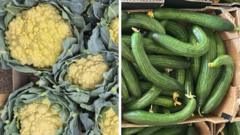
Heat-Damaged Vegetables Reshape UK Grocery Shelves
Heat-damaged vegetables are increasingly appearing on British supermarket shelves as the nation faces recurring heatwave conditions. This phenomenon represents a significant shift in produce availability, with consumers noticing more irregularly-shaped and sun-marked items in their weekly shopping. The trend reflects broader environmental changes affecting agricultural output across the United Kingdom.
Understanding the Impact of Extreme Temperatures
Repeated heatwaves are fundamentally altering how vegetables develop and mature in UK farms. When temperatures soar beyond optimal growing conditions, crops experience stress that manifests in various physical ways. Cauliflower heads develop unusual tan discoloration from excessive sun exposure, while potatoes emerge from soil with irregular, knobbly formations that deviate from conventional appearance standards.
These heat-affected vegetables remain perfectly safe and nutritious for consumption. The cosmetic irregularities—whether brown patches, uneven surfaces, or unconventional shapes—result from natural responses to climatic stress rather than disease or contamination. Farmers and retailers increasingly recognize that consumers accept these imperfections when understanding the underlying environmental factors.
Market Adaptation to Climate Realities
British shoppers are adjusting expectations regarding vegetable appearance as climate patterns become less predictable. Supermarkets now stock more heat-damaged produce varieties, including sun-tanned cauliflowers and asymmetrical root vegetables. This shift reflects pragmatic responses to supply constraints caused by extreme weather events.
The produce industry has started addressing customer concerns through education initiatives. Clear labeling and in-store information help consumers understand that heat-marked vegetables offer identical nutritional benefits to conventionally-shaped alternatives. Some retailers even emphasize the sustainability angle, highlighting how accepting irregular produce reduces waste and supports local farmers navigating challenging conditions.
Agricultural Challenges from Rising Temperatures
Farmers across the UK face unprecedented difficulties maintaining crop quality during increasingly intense heatwaves. Extended periods of high temperature and low rainfall stress vegetable plants throughout critical growth stages. This environmental pressure creates the distinctive characteristics of heat-damaged vegetables that consumers now encounter regularly.
Potato cultivation particularly suffers during extreme heat, as soil temperature fluctuations affect tuber development underground. The resulting knobbly spuds and irregularly-shaped specimens represent plants struggling against biological limits. Cauliflower cultivation faces similar challenges, with florets receiving intense solar radiation that produces the distinctive tan coloration.
Consumer Perspectives on Wonky Produce
British shoppers demonstrate growing acceptance of heat-damaged vegetables as awareness increases about climate-related agricultural impacts. Many consumers prefer purchasing irregular produce to support sustainable farming practices and reduce food waste. This attitude shift benefits both retailers and farmers managing climate-induced supply challenges.
The wonky vegetable movement, initially championed by environmental advocates, gains mainstream traction as heat-damaged produce becomes ubiquitous. Customers recognize that rejecting perfectly nutritious vegetables solely for aesthetic reasons contributes to broader food waste problems. Educational campaigns reinforcing this message strengthen market acceptance of irregular items.
Future Outlook for UK Agriculture
Climate projections suggest that heat-damaged vegetables will remain increasingly common in UK markets. Farmers are adapting cultivation methods to manage extreme temperature scenarios, including modified irrigation strategies and heat-resistant crop varieties. These adjustments aim to maintain production viability while managing the visible impacts of environmental stress on produce appearance.
The normalization of heat-damaged vegetables represents an inevitable adaptation to climate reality. Rather than viewing irregular produce as inferior, consumers increasingly appreciate the authenticity it represents—crops grown under genuine environmental constraints rather than laboratory-optimized conditions. This perspective shift supports agricultural resilience while promoting more realistic expectations about food production in an era of climatic instability.


