Heatwaves Drive Surge in Falls and Heat-Related NHS Injuries
Extreme heat causes dizziness and falls among elderly patients, straining NHS resources. A&E doctors report alarming rise in injuries during summer heatwaves.
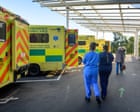
Rising Health Crisis During Extreme Heat Events
Medical professionals across the United Kingdom are witnessing an unprecedented surge in heatwaves NHS injuries as temperatures continue to climb during summer months. The strain on emergency departments has become increasingly evident, with frontline staff reporting significant increases in patient admissions directly linked to extreme heat exposure.
Dr Adrian Boyle, an accident and emergency consultant at Addenbrooke's Hospital in Cambridge, highlights the most pressing concern emerging from recent weather patterns. According to his observations, heatwaves NHS injuries predominantly affect elderly populations, with falls representing the most common and dangerous outcome of excessive heat exposure during the warmer months.
Understanding the Mechanism Behind Heat-Related Falls
The physiological response to extreme heat creates dangerous conditions for vulnerable populations. When temperatures soar, the human body struggles to maintain homeostasis, leading to symptoms such as dizziness, lightheadedness, and impaired balance. For elderly individuals whose regulatory systems may already be compromised, these effects become particularly pronounced and hazardous.
During the recent succession of five heatwaves that affected the region, Dr Boyle documented multiple cases of elderly patients experiencing severe incidents directly attributable to thermal stress. One particularly troubling case involved an elderly woman who lost her balance while experiencing heat-induced dizziness and subsequently fell down an entire flight of stairs. The resulting injuries—multiple fractured ribs, a broken wrist, and a fractured lower leg—demonstrate the serious consequences of seemingly minor heat-related symptoms.
The Severity of Heat-Related Injuries in Vulnerable Groups
Elderly patients represent the demographic most susceptible to heat-related complications. Their diminished ability to regulate body temperature, combined with potential dehydration and medication interactions, creates a perfect storm for medical emergencies. The combination of dizziness and falls becomes a dangerous coupling that emergency physicians increasingly encounter during peak summer periods.
Healthcare professionals report that heatwaves NHS injuries extend beyond simple falls. Patients present with dehydration, heat exhaustion, heat stroke, and related complications that tax emergency department resources significantly. The pressure on the healthcare system becomes compounded when multiple patients arrive simultaneously with heat-related conditions.
Impact on NHS Resources and Staff
Beyond patient injuries, extreme heat places considerable strain on healthcare workers themselves. Accident and emergency departments, already operating near capacity during normal conditions, face additional pressure from environmental factors. Staff work in uncomfortably warm conditions while simultaneously managing increased patient loads, raising serious concerns about worker wellbeing and service quality.
The combination of challenging working conditions and surge in heatwaves NHS injuries creates an unsustainable situation for many facilities. Nurses and doctors work extended shifts in stifling environments while treating patients suffering from heat-related conditions, leading to fatigue and potential burnout among essential healthcare personnel.
Prevention and Public Health Response
Medical professionals emphasize the critical importance of preventive measures during periods of extreme heat. Elderly individuals require particular attention, including regular monitoring, adequate hydration, and environmental controls to maintain safe living conditions. Community support systems and welfare checks become essential during heatwaves to identify vulnerable individuals at risk.
Healthcare providers recommend that elderly patients remain in cool environments, stay well-hydrated, avoid unnecessary outdoor exposure during peak heat hours, and maintain regular contact with family members or caregivers who can monitor for warning signs of heat-related illness.
Looking Forward: Healthcare Planning for Extreme Weather
As climate patterns continue to shift and extreme weather events become more frequent, the NHS must adapt its infrastructure and protocols to accommodate increased demand during heatwaves. Strategic planning, resource allocation, and staff training become increasingly vital components of public health preparedness.
The evidence from emergency departments clearly demonstrates that heatwaves NHS injuries represent a growing public health challenge requiring coordinated responses across multiple sectors, from healthcare administration to community services and social support systems.