High‑Protein Diets: How Much Do You Actually Need for Weight and Muscle
Discover how a high-protein diet supports muscle gain and weight loss. Learn your ideal daily protein needs and grams of protein per day for optimal results.
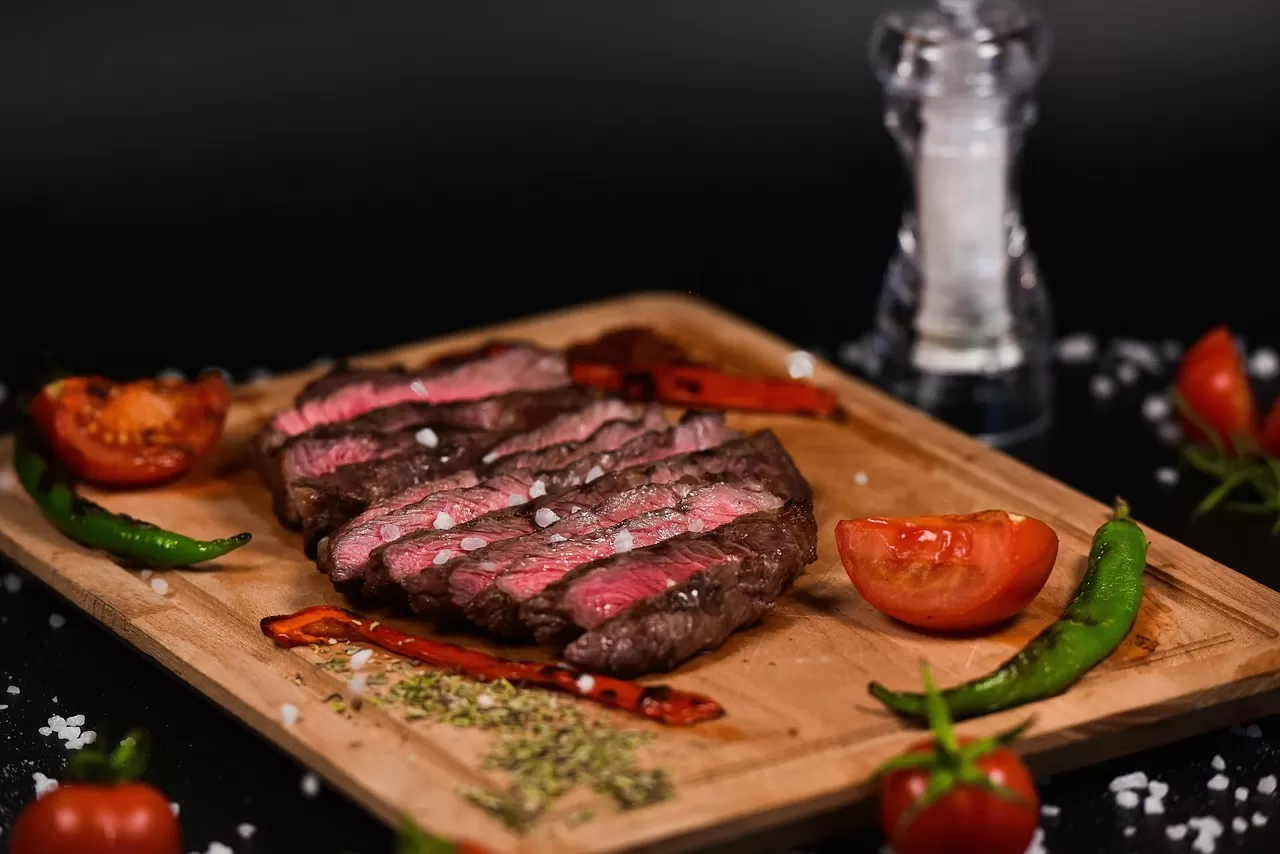
In today's society, there is a constant pressure to achieve the perfect body. Whether it's for health reasons or aesthetic purposes, many people strive to build lean muscle and lose excess weight. While there are various diets and workout plans out there, one approach that has gained popularity in recent years is the high-protein diet. This type of diet is not only beneficial for muscle gain, but it also supports weight loss. In this article, we will delve into the science behind a high-protein diet and how it can help you achieve your fitness goals.
Firstly, let's understand what a high-protein diet is. As the name suggests, it is a diet that is high in protein and low in carbohydrates and fats. The recommended daily intake of protein for an average adult is 0.8 grams per kilogram of body weight. However, for those looking to build muscle and lose weight, this may not be enough. Studies have shown that increasing protein intake to 1.2-1.6 grams per kilogram of body weight can have significant benefits for muscle growth and weight loss.
So, how does a high-protein diet support muscle gain? Protein is made up of amino acids, which are the building blocks of muscle. When we consume protein, our body breaks it down into amino acids and uses them to repair and build muscle tissue. This process is known as protein synthesis. By increasing our protein intake, we provide our body with the necessary building blocks to support muscle growth. Additionally, protein has a high thermic effect, meaning that our body burns more calories to digest and absorb it compared to carbohydrates and fats. This can aid in weight loss by increasing our metabolism and promoting fat burning.
Moreover, a high-protein diet can also help with weight loss. Protein is known to be more satiating than carbohydrates and fats, meaning it keeps us feeling full for longer. This can prevent overeating and snacking, which are common obstacles in weight loss journeys. Additionally, protein has a minimal impact on blood sugar levels, which can help regulate appetite and reduce cravings for sugary and high-calorie foods. By replacing some of our carbohydrate and fat intake with protein, we can create a calorie deficit, which is essential for weight loss.
Now that we understand the benefits of a high-protein diet, let's talk about how much protein we should be consuming daily for optimal results. As mentioned earlier, the recommended daily intake of protein for an average adult is 0.8 grams per kilogram of body weight. However, for those looking to build muscle and lose weight, it is recommended to increase protein intake to 1.2-1.6 grams per kilogram of body weight. For example, if you weigh 70 kilograms, your daily protein intake should be between 84-112 grams. It is essential to spread out your protein intake throughout the day, with each meal containing a good source of protein. This will ensure that your body has a constant supply of amino acids for muscle repair and growth.
It is also crucial to choose high-quality sources of protein for your diet. These include lean meats, poultry, fish, eggs, dairy products, and plant-based sources such as beans, lentils, and tofu. These sources not only provide protein but also contain essential vitamins and minerals that are beneficial for overall health.
In addition to following a high-protein diet, it is essential to incorporate strength training into your workout routine. This will help maximize the benefits of a high-protein diet by stimulating muscle growth and increasing metabolism. It is also crucial to stay hydrated and consume a balanced diet with a variety of fruits, vegetables, and whole grains.
In conclusion, a high-protein diet can be a game-changer for those looking to build muscle and lose weight. By increasing protein intake and choosing high-quality sources, we can support muscle growth, increase metabolism, and promote weight loss. Remember to consult a healthcare professional before making any significant changes to your diet, and always listen to your body's needs. With dedication and consistency, a high-protein diet can help you achieve your fitness goals and lead a healthier, happier life. So, what are you waiting for? Start incorporating more protein into your diet and see the amazing results for yourself!