Hormuz Strait Talks Show Promise as Iran Cautions on Access
Negotiations over a new Hormuz shipping route signal potential progress. Iran warns a deal would not guarantee strait access. Latest updates on critical maritim...
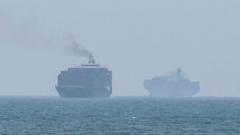
Hormuz Strait Shipping Route Negotiations Advance with Cautious Optimism
Discussions surrounding a new Hormuz strait shipping route have entered a phase marked by measured progress, though significant obstacles continue to complicate negotiations between multiple parties. Oman, serving as a mediating force in regional maritime discussions, has publicly indicated that recent talks reflect genuine movement toward establishing an alternative passage through one of the world's most strategically critical waterways. However, Iranian officials have issued clear warnings that any prospective agreement on this Hormuz strait shipping route would not automatically guarantee unrestricted access to the vital passage.
Regional Parties Signal Negotiation Progress
Diplomatic representatives from Oman have characterized recent exchanges as substantively productive, suggesting that both sides have demonstrated willingness to engage constructively on the fundamental parameters of a new maritime route. These communications indicate that negotiators are exploring concrete pathways toward reaching consensus on routing mechanisms, regulatory frameworks, and security protocols that would govern commercial traffic through the contested waters.
Iran's Cautionary Position on Strait Operations
Iranian officials, while participating in the negotiation process, have emphasized that their endorsement of any new shipping arrangement comes with explicit reservations. Tehran's leadership has underscored that establishing an alternative Hormuz strait shipping route would not constitute blanket authorization for unrestricted passage or diminish Iran's assertion of sovereign rights over maritime boundaries within its territorial jurisdiction. This positioning reflects longstanding Iranian strategic interests in maintaining leverage over one of the globe's most consequential chokepoints for global energy commerce.
The Strategic Importance of the Hormuz Strait
The Hormuz strait remains indispensable to international commerce, serving as the passage through which approximately one-third of globally traded maritime petroleum transits annually. Any disruption to traffic through this narrow waterway carries immediate implications for energy markets worldwide and represents a persistent concern for international shipping companies, insurance providers, and energy-consuming nations. The development of alternative routing options has therefore attracted significant attention from stakeholders invested in maintaining stable, predictable maritime commerce patterns.
Pathway Toward Breakthrough Remains Uncertain
Despite the encouraging tenor of recent communications from Oman, observers note that genuine consensus on the practical implementation of a new Hormuz strait shipping route remains elusive. Multiple unresolved technical questions persist, including vessel classification standards, dispute resolution mechanisms, monitoring protocols, and the extent to which international maritime law would supersede bilateral agreements. These substantive complications suggest that while rhetorical progress has materialized, translating conceptual agreement into operational implementation presents formidable challenges.
International Stakeholder Involvement in Maritime Discussions
The broader international community watches these negotiations with considerable interest, recognizing that the resolution of shipping route disputes in this region carries implications extending far beyond the immediate parties involved. Global energy markets, supply chain logistics, and international security considerations all depend substantially on achieving stable arrangements that satisfy the security concerns and economic interests of numerous state and non-state actors operating within and beyond the Persian Gulf region.
Continued dialogue and confidence-building measures will likely prove essential to advancing negotiations toward concrete outcomes on the Hormuz strait shipping route question. Whether recent expressions of optimism ultimately translate into binding agreements that enhance maritime stability and commercial predictability remains contingent upon sustained diplomatic engagement and demonstrated commitment from all participating parties to compromise on outstanding technical and legal questions.


