Indian Medical Exam Resit Heightens Security With Biometric Checks
Heightened security measures implemented for Indian medical exam resit following paper leak allegations. Millions undergo biometric verification and air force d...
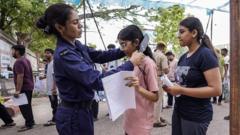
Strengthened Security for Medical Exam Resit Following Allegations
Medical exam security measures have been significantly escalated as Indian authorities implement comprehensive protocols to prevent future breaches during the rescheduled medical entrance examination. The decision to enhance oversight procedures comes after serious allegations emerged regarding unauthorized distribution of test materials, prompting authorities to deploy additional resources and personnel to safeguard the integrity of the assessment process.
Millions of candidates preparing for the crucial examination will now face enhanced verification procedures designed to ensure exam center integrity. These medical exam security measures represent one of the most rigorous screening processes ever implemented for a national-level assessment in the country, reflecting the gravity of the situation and government commitment to restoring public confidence in the testing framework.
Biometric Verification and Physical Screening Protocols
All participants will be required to undergo mandatory biometric identification checks before entering examination halls. This technological approach aims to create a comprehensive database of attendees and prevent unauthorized individuals from gaining access to secure areas where test materials are stored and administered.
Beyond biometric authentication, candidates will also experience physical frisking procedures at multiple checkpoints throughout the examination venue. Security personnel have been trained to conduct these searches systematically while maintaining dignity and efficiency, ensuring that no prohibited items or unauthorized materials enter the examination environment.
Multi-Layered Security Infrastructure
The examination venues themselves have been fortified with additional surveillance equipment, including high-definition cameras positioned strategically throughout facilities. Real-time monitoring capabilities allow security officials to observe activities in examination halls and administrative areas simultaneously, creating an interconnected network of oversight that leaves minimal opportunities for security breaches.
Air Force Deployment and Logistical Support
In an unprecedented move, the Indian Air Force has been actively involved in securing examination papers and managing logistics for distribution to examination centers across the nation. Military personnel provide additional layers of protection during the critical phases of material transportation, storage, and delivery to prevent any possibility of unauthorized access or interception.
The involvement of armed forces personnel underscores the national importance attached to resolving the crisis and preventing recurrence. Air force capabilities in secure transportation and facility protection have proven invaluable in establishing secure corridors through which examination materials travel from central repositories to distributed test centers without exposure to potential compromise.
Chain of Custody Management
Comprehensive documentation procedures track examination papers from initial printing through delivery to examination centers. Every handoff involves verification by multiple authorized personnel whose credentials are authenticated through advanced systems, creating an unbroken chain of accountability that makes unauthorized distribution virtually impossible.
Impact on Millions of Candidates
The examination security measures affect millions of aspirants who depend on fair, transparent testing to pursue medical education careers. While rigorous protocols may extend the duration of examination day procedures, candidates generally support enhanced oversight given concerns about previous breaches affecting result validity and professional fairness.
Medical exam security measures acknowledge the psychological impact on test-takers whose qualifications and opportunities have been questioned due to paper leak incidents. Restoring confidence requires demonstrable commitment to fairness through visible, tangible security enhancements that candidates can observe and appreciate.
Government Response and Institutional Accountability
Regulatory authorities have initiated comprehensive investigations into how previous security lapses occurred, examining organizational procedures, personnel conduct, and systemic vulnerabilities. This forensic approach informs current protective measures by targeting specific weaknesses identified during the inquiry.
Multiple agencies coordinate implementation of medical exam security measures, with health ministry, examination boards, and law enforcement collaborating to ensure consistent standards across all examination venues nationwide. Regular communication between agencies prevents procedural gaps that could be exploited by bad actors.
Future Implications for Educational Assessment
The comprehensive security framework established for this examination may serve as a model for other high-stakes educational assessments across India. Demonstrating that reliable, secure testing is achievable provides a template for protecting intellectual property and ensuring assessment integrity in similar contexts.
Long-term technological investments suggested by this experience include biometric systems, surveillance infrastructure, and secure transportation protocols that represent significant capital expenditure but promise enhanced protection for future examinations and assessments across educational sectors.


