Infantino Apologizes for Missteps Yet Retains FIFA Presidency Position
FIFA President Gianni Infantino issues apology for investment plan errors while maintaining leadership role after executive board support. Read details.
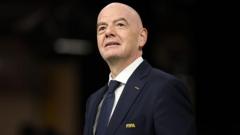
FIFA President Continues in Role Despite Investment Plan Controversy
Gianni Infantino has secured his position as FIFA president following a decisive show of confidence from the international football governing body's senior leadership team. The FIFA president issued a formal statement expressing sincere regret regarding missteps encountered in connection with his contentious personal investment strategies, which had drawn scrutiny from stakeholders and media outlets worldwide.
Executive Board Backing Ensures Leadership Continuity
The FIFA president's continued tenure comes after substantial support demonstrated by prominent executives within the organization's upper echelons. This backing represents a significant development in the ongoing leadership dynamics at the international football federation, particularly given the recent controversies surrounding Infantino's private financial dealings and their intersection with his official duties.
Addressing Investment Plan Concerns
The FIFA president acknowledged that his investment plans had generated considerable debate and concern among various stakeholders. His official apology represents an effort to address the criticisms that emerged following public disclosure of details regarding these private ventures. The statement emphasized his recognition of the errors in judgment and execution that had accompanied these initiatives.
Understanding the Controversy
The FIFA president's investment plans had become a focal point of discussion due to their potential implications for governance and conflict of interest scenarios. Many questioned whether personal financial interests could influence decision-making at the highest levels of international sports administration. These concerns prompted internal discussions and external commentary from regulatory bodies and observer organizations.
Future Direction and Leadership
Moving forward, the FIFA president will continue overseeing operations at the organization, with the expectation that lessons learned from this experience will inform future governance practices. The executive board's decision to maintain confidence in the FIFA president suggests they believe his continued leadership serves the broader interests of international football.
Implications for FIFA Governance
The episode highlights the complex relationship between personal financial interests and public responsibilities within sports administration. The FIFA president's retention, despite controversy, indicates that organizational leadership remains committed to continuity while addressing transparency concerns. This approach reflects a balance between accountability and pragmatic governance considerations.
Support from Senior Leadership
The backing received by the FIFA president from senior executives demonstrates the strength of internal support networks within the organization. Executive committee members, representing various football confederations and stakeholder interests, voted to maintain confidence in the leadership. This collective decision underscores the FIFA president's standing among peers and the organization's desire to avoid further institutional disruption.
Organizational Context and Stability
FIFA operates within a complex international framework involving numerous national football associations, commercial partners, and regulatory authorities. The FIFA president's role demands navigating these multifaceted relationships while maintaining institutional credibility. The organization's executive decisions regarding leadership continuity reflect priorities around stability and functional governance during transitional periods.
Looking Ahead
The FIFA president acknowledged the necessity of rebuilding trust through demonstrable commitment to improved governance standards. The apology represents an initial step toward addressing the concerns raised by stakeholders across the football ecosystem. Moving forward, attention will focus on whether structural and procedural improvements accompany the formal expressions of regret.
Concluding Remarks
The reaffirmation of the FIFA president in his role, coupled with his public acknowledgment of errors, marks a turning point in how the organization addresses governance challenges. While the investment plan controversy generated significant discussion, the executive board's confidence vote reflects organizational priorities and strategic considerations regarding leadership transitions during complex periods in sports administration.


