Infantino's Critics Demand Resignation or Face FIFA Non-Cooperation
Opponents of FIFA president Gianni Infantino threaten non-cooperation with the governing body unless he resigns immediately. Senior UEFA sources confirm escalat...
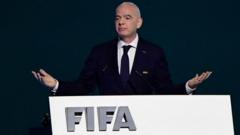
FIFA President Faces Mounting Pressure Over Leadership
High-ranking officials within UEFA are escalating their campaign against FIFA president Gianni Infantino, announcing plans for systematic non-cooperation with the governing body if he refuses to relinquish his position. This significant development marks a dramatic intensification in the ongoing dispute surrounding Infantino's continued leadership of world football's most influential institution.
Senior UEFA Sources Confirm Escalation Strategy
According to credible reports from prominent UEFA insiders, the opposition movement has now crystallized into concrete action plans. These senior figures have made explicit statements that without Infantino stepping down from his role, member associations and continental confederations will implement coordinated non-cooperation measures that could substantially disrupt FIFA's operational capacity.
The threat of non-cooperation represents a departure from previous criticism and suggests that opponents have moved beyond rhetoric into tactical positioning. Such organized resistance from UEFA—European football's continental governing body and a pivotal stakeholder—carries considerable weight given its influence over major tournaments, member nations, and revenue streams that sustain FIFA's activities.
Understanding the Scope of FIFA Infantino Opposition
The campaign against Infantino has been building momentum across multiple jurisdictions and administrative levels. Critics argue that fundamental governance issues require his removal, with dissent emanating from various quarters including national football associations, league representatives, and administrative personnel within continental bodies.
The non-cooperation threat encompasses potential withdrawal from collaborative initiatives, reduced participation in FIFA-mandated activities, and possible obstruction of routine administrative processes that depend on voluntary engagement from member associations. Such actions could create substantial friction within football's global governing architecture.
Implications for FIFA's Operational Framework
If UEFA members and allied organizations implement sustained non-cooperation strategies, the practical consequences for FIFA could prove substantial. The organization depends on coordinated participation from continental confederations to execute major competitions, enforce regulations, and maintain the administrative machinery that governs international football.
Disruption at this level could jeopardize fixture schedules, complicate qualification procedures for major tournaments, and undermine FIFA's authority in settling disputes between member nations and clubs. The potential domino effect of coordinated resistance demonstrates why such threats carry genuine negotiating power in football's political landscape.
Current Status and Next Steps
As this situation develops, stakeholder attention focuses intensely on whether Infantino will respond to these ultimatums or whether the opposing coalition will follow through on implementation. The coming weeks will likely determine whether internal FIFA reform mechanisms are activated or whether the conflict escalates further through concrete non-cooperation measures that fundamentally challenge the president's operational capacity.
The standoff represents one of football governance's most serious institutional crises, with implications extending beyond personality politics to questions about democratic accountability and leadership legitimacy within international sports administration.


