Israel Rejects Trump's Gaza 15-Point Plan: Netanyahu Demands Hamas Disarmament
Netanyahu refuses Trump's Gaza plan, insists Israeli military stays until Hamas is completely disarmed. Latest Middle East peace proposal rejected.
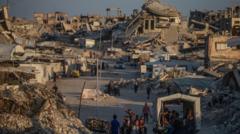
Israel Rejects Trump's Gaza Plan Amid Security Concerns
Israeli Prime Minister Benjamin Netanyahu has firmly rejected Trump's Gaza plan, stating that the country's military operations will continue indefinitely until Hamas faces complete and genuine disarmament. The rejection of the comprehensive 15-point proposal marks a significant setback for diplomatic efforts in the region and highlights the deep divisions between international peace initiatives and Israeli security requirements.
Netanyahu's position on Trump's Gaza plan underscores the complexity of achieving lasting peace in the contested territory. The Prime Minister emphasized that Israel cannot withdraw its forces prematurely, arguing that doing so would leave the nation vulnerable to future attacks from militant organizations.
Netanyahu's Conditions for Military Withdrawal
The Israeli leader has established stringent conditions that must be met before any military pullout can occur. According to Netanyahu, the disarmament of Hamas must be genuine and verifiable, not merely symbolic or temporary. This stance reflects Israel's historical concerns about security threats emanating from Gaza and the need for sustainable solutions rather than temporary arrangements.
Netanyahu's rejection of Trump's Gaza plan comes as international pressure mounts for a resolution to the humanitarian crisis in the territory. However, the Prime Minister maintains that security considerations must take precedence over other concerns in any negotiated settlement.
The Content of Trump's Rejected Proposal
Trump's 15-point plan was designed to address multiple aspects of the Gaza situation, including humanitarian aid, reconstruction, and security arrangements. The proposal reportedly included provisions for international oversight and phased implementation mechanisms. However, Netanyahu found the terms insufficient to guarantee Israel's long-term security interests in the region.
The rejection of this comprehensive proposal suggests that Israel views the plan as inadequately addressing the fundamental security threats posed by Hamas and other militant organizations operating from Gaza.
International Response and Diplomatic Implications
The rejection of Trump's Gaza plan by Netanyahu has significant implications for international diplomacy and regional stability. Various nations have invested diplomatic capital in supporting peace initiatives, and this refusal signals that consensus among key parties remains elusive. The international community continues to seek solutions that balance humanitarian concerns with legitimate security needs.
Netanyahu's firm stance on Hamas disarmament reflects broader Israeli security doctrine and public sentiment within the country. Many Israelis support maintaining military presence until demonstrable changes in the security situation can be verified.
Hamas Disarmament as a Central Issue
The disarmament of Hamas remains the cornerstone of Netanyahu's position regarding any Israeli military withdrawal from Gaza. The organization has been designated as a terrorist group by several countries and has historically used the territory as a base for military operations against Israel.
Netanyahu's insistence on genuine disarmament rather than mere agreements reflects lessons learned from previous peace accords and security arrangements that he believes failed to adequately protect Israeli citizens. The Prime Minister argues that only verifiable, complete disarmament of Hamas can justify reducing Israeli military presence in the territory.
Future Prospects for Gaza Peace Efforts
With the rejection of Trump's Gaza plan, diplomatic efforts face renewed challenges. Alternative proposals will need to address Israeli security concerns while simultaneously considering humanitarian and Palestinian interests. The path forward remains uncertain as multiple parties hold firm to their respective positions.
Netanyahu's clear rejection of Trump's Gaza plan indicates that future negotiations will require significant modifications to gain Israeli acceptance. Any successful proposal must demonstrate how it will ensure sustained security without perpetual military occupation.
The situation in Gaza continues to evolve, with international organizations monitoring developments closely. The humanitarian crisis requires urgent attention, yet Israeli security concerns cannot be dismissed in peace negotiations. These competing priorities create a complex environment for diplomatic solutions.
As the international community seeks pathways forward, Netanyahu's position on Trump's Gaza plan and the required genuine disarmament of Hamas will likely remain central to discussions. The Prime Minister's unwillingness to compromise on security terms suggests that achieving consensus on Gaza's future will require substantial effort from all parties involved in the peace process.


