Kindergarten MMR Shots Drop as Vaccine Exemptions Reach Peak
CDC data reveals declining MMR vaccination rates among US kindergarteners while non-medical exemptions surge to 4.2%, raising health concerns.
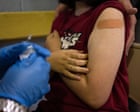
Kindergarten Vaccination Rates Show Declining Trend
The latest kindergarten vaccination rates indicate a concerning shift in immunization patterns across the United States. Recent CDC data demonstrates that kindergarten vaccination rates, particularly for measles, mumps, and rubella protection, are experiencing a notable decline as non-medical exemptions continue climbing to unprecedented levels of 4.2 percent.
This downturn in kindergarten vaccination rates occurs amid a broader national conversation about vaccine safety and parental choice. Medical professionals and public health officials are closely monitoring the situation, recognizing that kindergarten vaccination rates remain a critical indicator of community health protection and disease prevention efforts.
Understanding the Recent Data Release
Following statements by public figures containing questionable claims about vaccine characteristics and safety, the Centers for Disease Control and Prevention released comprehensive data on vaccination trends. The CDC's official statement characterized the kindergarten vaccination rates as remaining comparatively high overall, yet the underlying numbers tell a more nuanced story that warrants closer examination.
The agency's communications team released a brief three-sentence announcement regarding kindergarten vaccination rates, suggesting stability in the immunization landscape. However, public health analysts and epidemiologists immediately identified troubling patterns within the data that diverge from previous years' trends.
Non-Medical Exemptions Reach Record Highs
One of the most significant findings involves the surge in non-medical exemptions. These exemptions, which allow families to avoid kindergarten vaccination requirements without medical justification, have climbed to 4.2 percent – the highest level on record. This represents a meaningful increase from previous years and reflects changing attitudes toward vaccination requirements in schools.
The rise in non-medical exemptions directly correlates with declining kindergarten vaccination rates across multiple vaccine types. While exemptions for legitimate medical reasons remain relatively stable, the expansion of philosophical and religious exemptions demonstrates a shifting landscape in how American families approach their children's immunization decisions.
Expert Concerns About Community Protection
Medical experts and infectious disease specialists expressed immediate concern upon reviewing the detailed kindergarten vaccination rates data. The decline in coverage, though still numerically high in absolute terms, represents a troubling directional change that could have serious public health implications.
Healthcare professionals emphasize that kindergarten vaccination rates must maintain specific thresholds to ensure herd immunity – the level of population immunity necessary to prevent disease outbreaks. As kindergarten vaccination rates decline and exemptions increase, the community's collective protection against preventable diseases weakens. This is particularly concerning for measles, which historically was eliminated in the United States but continues to pose risks in communities with lower kindergarten vaccination rates.
National Impact of Changing Immunization Patterns
The declining kindergarten vaccination rates present challenges for disease surveillance and outbreak prevention nationwide. Public health departments rely on high vaccination coverage to maintain the gains achieved through decades of immunization campaigns. When kindergarten vaccination rates fall below critical thresholds, vulnerable populations – including infants too young for vaccines and individuals with legitimate medical contraindications – face increased risk.
The combination of declining kindergarten vaccination rates and surging non-medical exemptions suggests that immunization policy and public communication strategies may need recalibration. School administrators, health officials, and policymakers are now grappling with how to address this trend while respecting parental autonomy and addressing legitimate vaccine hesitancy concerns.
Looking Forward
Public health agencies will continue monitoring kindergarten vaccination rates closely as this school year progresses. Future interventions may include enhanced education initiatives, modified exemption policies, or renewed outreach efforts to address vaccine misinformation. The CDC and state health departments recognize that reversing the decline in kindergarten vaccination rates requires coordinated action among healthcare providers, educational institutions, and community leaders.
The situation underscores the importance of accurate health information and the ongoing challenges facing vaccination campaigns in an increasingly diverse information environment. As kindergarten vaccination rates continue evolving, stakeholders remain committed to protecting child health while addressing parental concerns through evidence-based communication and transparent data sharing.