King's Caribbean Journey Addresses Historical Slavery Legacy Directly
King confronts Caribbean tour by addressing UK's slavery past. Royal visit examines historical injustices with 'personal sorrow' and commitment to acknowledge d...
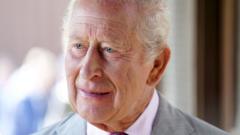
Royal Caribbean Visit Tackles Historical Injustices Head-On
The King's forthcoming Caribbean tour represents a significant moment in which the monarchy will engage directly with the region's complex historical relationship with the United Kingdom, particularly regarding the slavery era. This King's Caribbean tour slavery initiative marks a departure from previous diplomatic visits that often sidestepped uncomfortable historical narratives.
Throughout his reign and prior service, the King has consistently articulated his "personal sorrow" concerning Britain's extensive involvement in the transatlantic slave trade and the plantation systems that devastated Caribbean communities for centuries. This emotional positioning demonstrates a willingness to confront rather than avoid the "darkest days of our past," as officials have characterized the period of enslavement and colonial exploitation.
Understanding the Monarch's Commitment to Historical Accountability
The decision to address slavery and colonial history during the Caribbean royal visit history represents more than ceremonial acknowledgment. The King has signaled through various statements and policy positions that the British monarchy understands the lasting intergenerational trauma inflicted upon Caribbean nations and their descendants. His "personal sorrow" is not merely performative but reflects genuine recognition of historical wrongs.
The forthcoming visit will encompass multiple Caribbean nations, each with distinct but interrelated historical experiences under British colonial rule. These islands endured centuries of exploitation, forced labor, and systemic oppression that fundamentally shaped their demographic, economic, and social landscapes. The King's willingness to openly discuss these facts during official engagements signals institutional evolution within the monarchy.
The Broader Context of UK Slavery Acknowledgment
In contemporary discourse, UK slavery acknowledgment has become increasingly central to discussions about national identity and historical responsibility. The King's approach aligns with growing demands from Caribbean leaders, civil society organizations, and descendants of enslaved peoples for meaningful recognition and dialogue about reparations, restitution, and historical memory.
This Caribbean island relations visit demonstrates that the monarchy is attempting to rebuild trust with nations that have complex feelings toward their historical association with Britain. Many Caribbean governments and citizens have called for formal apologies, reparations programs, and systemic changes to how colonial history is taught and commemorated. The King's willingness to engage substantively with these conversations represents a recalibration of royal diplomacy.
Historical Facts and the King's Personal Journey
The King historical legacy now includes a documented evolution in his thinking about slavery and colonialism. Over multiple decades, he has studied Caribbean history, met with historians and activists, and internalized the perspectives of those whose ancestors suffered under British imperial rule. This intellectual and emotional journey has informed his approach to the upcoming tour.
Previous royal visits to the Caribbean occasionally faced protests and calls for boycotts, reflecting widespread skepticism about whether the monarchy could meaningfully address historical grievances. Some Caribbean nations have formally discussed removing the British monarch as their head of state, a decision motivated partly by frustrations with inadequate historical accountability. The King's determination to engage with these "darkest days" may influence these ongoing political discussions.
Practical Implications of the Royal Visit
The King's Caribbean tour represents an opportunity to move beyond symbolic gestures toward substantive dialogue. While royal tours cannot unilaterally resolve complex historical and political questions, they can establish frameworks for ongoing conversation. The monarch's explicit willingness to avoid shying away from difficult historical truths sets a different tone than previous diplomatic engagements.
Caribbean leaders have prepared comprehensive briefings on slavery's specific impacts within their nations, regional trade disruptions, cultural losses, and ongoing socioeconomic consequences. These conversations will likely address not only historical acknowledgment but also contemporary policy questions regarding education, memorialization, and potential reparations mechanisms.
Looking Forward: The Significance of This Approach
The King's Caribbean tour slavery focus represents a watershed moment for British royal diplomacy. By explicitly refusing to shy away from uncomfortable historical truths, the monarchy signals that institutional reform regarding historical responsibility is possible. This approach may influence how other nations conduct similar dialogues about colonial legacies.
The success of this visit will be measured not by rhetoric alone but by whether genuine partnerships emerge to address ongoing injustices and support Caribbean development priorities. The King's "personal sorrow" must translate into concrete actions and policy commitments that resonate beyond the diplomatic calendar.


