Labour Chief Whip Anneliese Midgley Takes Tough Stance on MP Discipline
Labour's chief whip Anneliese Midgley reveals her no-nonsense approach to party discipline in exclusive Vogue interview, contrasting with Andy Burnham's softer...
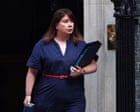
Labour's Chief Whip Takes Firm Stance on Party Discipline
Anneliese Midgley, Labour's newly appointed chief whip, has outlined her direct and uncompromising approach to maintaining order within the parliamentary party. In a candid interview with Vogue, the Labour chief whip discipline representative revealed her no-nonsense philosophy, stating clearly that she operates without tolerance for misconduct among Members of Parliament.
The appointment of Midgley to this prominent position has generated considerable attention, particularly given the contrast between her leadership style and that of other senior Labour figures. Her willingness to speak frankly about her methods marks a departure from traditional conventions within Westminster, where discussions of party discipline are typically conducted behind closed doors.
Contrasting Leadership Approaches Within Labour
The distinction between Midgley's firm methodology and Andy Burnham's more collaborative leadership style has become a topic of significant discussion among political observers. Burnham, the Labour leader, previously suggested that the whips' office should not be perceived as an institution to be feared, advocating instead for a more supportive relationship between leadership and backbench MPs.
However, Midgley's comments suggest a different interpretation of effective party management. Her appointment as chief whip appears to signal a readiness to enforce party discipline through more traditional means. The Labour chief whip discipline strategy she articulates challenges some of the softer approaches that have been discussed within Westminster circles, indicating a tension between different management philosophies at the highest levels of the party.
Understanding the Role of Chief Whip
The position of chief whip carries significant responsibility within parliamentary systems. The role involves coordinating party discipline, ensuring MPs attend crucial votes, managing messaging consistency, and handling disciplinary matters when necessary. Midgley's elevation to this position reflects Labour's assessment that the party requires strong enforcement of its parliamentary strategy.
Her direct communication style, as demonstrated in the Vogue interview, represents a deliberate choice to be transparent about the nature of her responsibilities. Rather than obscuring the disciplinary aspects of the role, she has chosen to articulate them candidly, potentially serving as a deterrent to MPs who might consider stepping out of line.
Parliamentary Discipline and Party Management
Within the Labour party structure, the chief whip operates as a critical interface between leadership and the broader parliamentary group. Midgley's appointment followed careful consideration of the qualities necessary for effective party management in the current political environment. Her reputation for directness preceded her appointment, and her recent statements confirm that she intends to lead the whips' office according to her established principles.
The Labour chief whip discipline approach encompasses various mechanisms for maintaining party cohesion. These include scheduling management, persuasion, negotiation, and when necessary, formal sanctions against MPs who violate party directives. Midgley's willingness to acknowledge the firmness of her methods represents a calculated decision to establish clear expectations from the outset of her tenure.
Reception Among Colleagues and Political Observers
Midgley's candid remarks have elicited varied responses from her colleagues and political commentators. Some observers view her directness as refreshing transparency about institutional realities, while others question whether her stated approach might create tension within the parliamentary party. The contrast with Burnham's more diplomatic public pronouncements has not gone unnoticed by analysts of internal Labour dynamics.
Despite these varying perspectives, Midgley appears committed to her stated philosophy. The timing of her interview with Vogue, a publication not traditionally associated with political analysis, suggests a deliberate strategy to communicate her leadership approach to a broader audience beyond Westminster insiders. This unconventional choice of platform indicates confidence in her methodology and possibly a desire to normalize discussions about the operational aspects of parliamentary governance.
Implications for Labour's Parliamentary Strategy
Looking forward, Midgley's leadership of the whips' office will significantly influence Labour's ability to implement its parliamentary agenda. Her clear communication about her standards and expectations may contribute to improved compliance among MPs, or conversely, might generate friction if members perceive her approach as unnecessarily harsh. The Labour chief whip discipline strategy will likely become more evident as the parliamentary session progresses and specific voting scenarios test her management capabilities.
The appointment and public positioning of Anneliese Midgley as chief whip represents a deliberate choice by Labour leadership regarding how the party manages internal discipline. Whether this approach proves effective in achieving party cohesion while maintaining morale among MPs remains to be determined through the practical realities of parliamentary operations in the coming months.