Lebanese Turtle Protector Mona Khalil Dies in Israeli Strike
Mona Khalil, renowned Lebanese marine conservationist dedicated to turtle protection, tragically killed in Israeli military strike while defending coastal sanct...
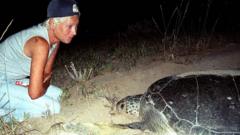
Renowned Marine Advocate Mona Khalil Passes Away Following Military Conflict
Mona Khalil, a dedicated Lebanese turtle conservationist recognized throughout the Mediterranean region for her commitment to marine wildlife preservation, tragically lost her life as a result of injuries sustained during an Israeli military strike. The Lebanese turtle conservationist had become internationally known for her unwavering dedication to protecting one of the region's most vital coastal ecosystems and the endangered species that inhabit it.
A Life Devoted to Turtle Conservation
Throughout her career, Khalil established herself as a pioneering figure in Lebanese marine conservation efforts. Her work focused primarily on safeguarding nesting beaches and juvenile turtle habitats along the country's Mediterranean shoreline. She had dedicated numerous years to monitoring turtle populations, conducting research on breeding patterns, and implementing protective measures to ensure the survival of vulnerable species in the region's increasingly threatened waters.
Refusing to Abandon Her Life's Work
Despite escalating tensions and security concerns affecting the broader region, the Lebanese turtle conservationist chose to remain at the beach sanctuary she had meticulously developed and protected. Her decision to stay demonstrated her profound commitment to the conservation mission, prioritizing the welfare of the marine ecosystem over personal safety considerations. Colleagues and fellow environmentalists described her resolve as both inspiring and emblematic of her character.
Impact on Marine Conservation Efforts
Khalil's contributions to Lebanon's environmental initiatives extended beyond turtle protection. She had worked collaboratively with international organizations, research institutions, and local communities to establish sustainable practices that balanced conservation with economic development. Her efforts included educational programs aimed at raising awareness about the ecological importance of coastal zones and the interconnected systems that support marine biodiversity.
Recognition and Legacy
The Lebanese turtle conservationist had earned respect from environmental organizations worldwide for her innovative approaches to species preservation during periods of regional instability. Her research documented critical data about nesting patterns and population dynamics that informed conservation strategies throughout the eastern Mediterranean. International colleagues acknowledged her work as essential to understanding and protecting endangered turtle populations.
Tragic Circumstances and Broader Implications
The Israeli military strike that claimed Khalil's life occurred during heightened military operations in the region. Her death represents a significant loss for the global conservation community and highlights the vulnerability of environmental work in conflict-affected areas. The Lebanese turtle conservationist's passing underscores how regional conflicts can disrupt critical scientific research and conservation initiatives that require long-term commitment and stability.
Commemorating Her Dedication
Following the incident, environmental organizations and fellow conservationists issued statements honoring Khalil's unwavering commitment to marine protection. Tributes emphasized how her personal sacrifice reflected her deep conviction that coastal ecosystems and their inhabitants required advocates willing to prioritize their welfare. The Lebanese turtle conservationist's legacy continues to inspire ongoing conservation efforts throughout the Mediterranean region.
Future of Conservation Initiatives
The fate of the beach sanctuary that Khalil spent years developing remains uncertain following the military strike. Conservation organizations are assessing the damage to the facility and evaluating options for continuing research and protection activities. Her work serves as a testament to the importance of supporting environmental initiatives in vulnerable regions and recognizing the risks undertaken by conservationists committed to species preservation amid geopolitical tensions.


