Lumbar Pain Relief with Core Stabilization Exercises for Back Pain Prevention
Discover lumbar pain relief with simple core stabilization exercises and posture tips that strengthen the spine, reduce chronic lower back pain, and support lon...
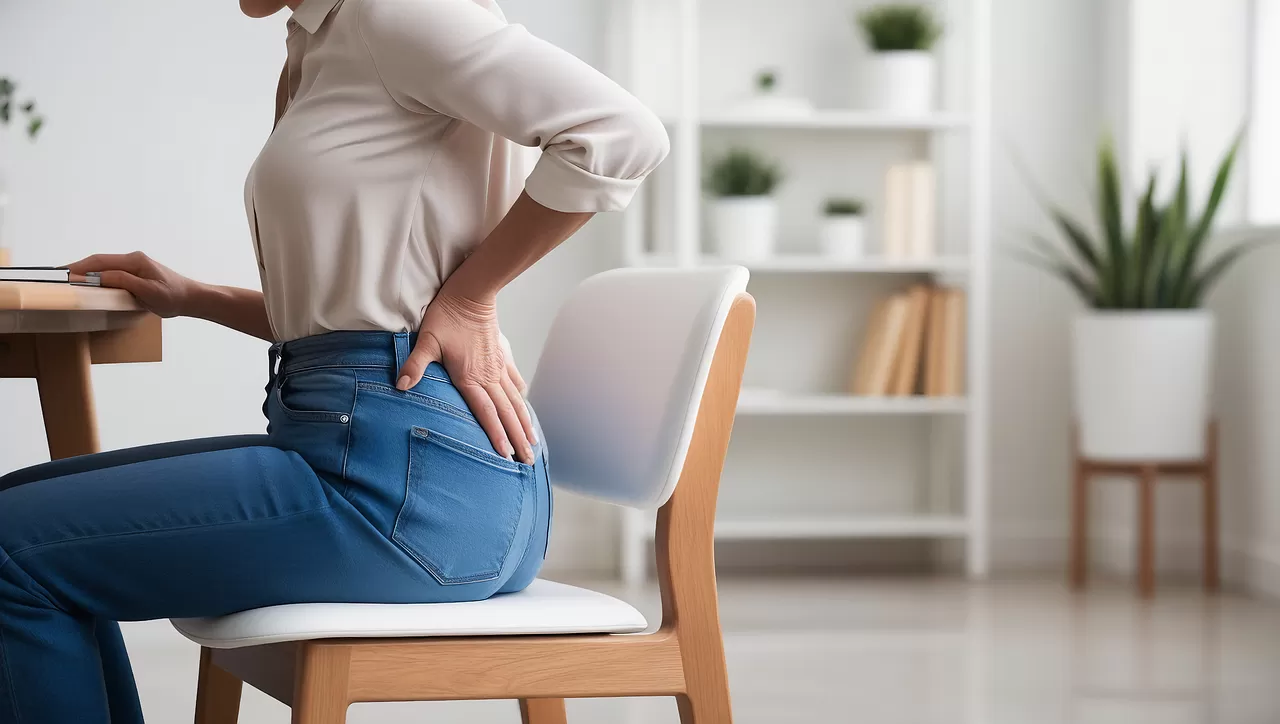
Discover Lumbar Pain Relief with Core Stabilization Exercises and Posture Tips
Lower back pain is a common ailment that affects millions of people worldwide. It can be caused by a variety of factors such as poor posture, muscle strain, injury, and even stress. Whatever the cause may be, one thing is for sure – it can be debilitating and affect our daily lives. However, there is hope for those suffering from chronic lower back pain. With simple core stabilization exercises and posture tips, you can strengthen your spine, reduce pain, and prevent future back problems.
What is Core Stabilization?
Core stabilization refers to the strengthening of the muscles that support the spine and pelvis. These muscles include the abdominals, back muscles, and pelvic floor muscles. When these muscles are strong, they work together to provide stability and support to the spine, reducing the strain on the lower back.
Why is Core Stabilization Important for Lower Back Pain Relief?
Our core muscles are responsible for supporting our body's weight and maintaining proper posture. When these muscles are weak, it puts extra pressure on the spine, causing pain and discomfort. By strengthening these muscles, we can improve our posture, reduce strain on the spine, and alleviate lower back pain.
Simple Core Stabilization Exercises for Lower Back Pain Relief
1. Planks
Planks are a great exercise for strengthening the core muscles. To do a plank, start in a push-up position with your arms extended and hands directly under your shoulders. Keep your body in a straight line from head to toe, engage your core, and hold for 30 seconds. Repeat for 3 sets.
2. Bird Dogs
This exercise targets the back muscles and helps improve balance and stability. Start on your hands and knees with your hands directly under your shoulders and knees under your hips. Extend your right arm and left leg out, keeping them in line with your body. Hold for a few seconds, then switch sides. Repeat for 10 reps on each side.
3. Bridges
Bridges are a great way to strengthen the glutes, which play a crucial role in supporting the lower back. Lie on your back with your knees bent and feet flat on the ground. Lift your hips off the ground, engaging your glutes and core. Hold for a few seconds, then lower back down. Repeat for 10 reps.
4. Superman
This exercise targets the lower back muscles and helps improve posture. Lie on your stomach with your arms extended in front of you. Lift your arms and legs off the ground, keeping your head in a neutral position. Hold for a few seconds, then lower back down. Repeat for 10 reps.
Posture Tips for Lower Back Pain Relief
Aside from core stabilization exercises, maintaining good posture is crucial for preventing and relieving lower back pain. Here are some tips to help you improve your posture:
1. Sit and stand up straight
Make a conscious effort to sit and stand up straight, keeping your shoulders back and your head in a neutral position. Avoid slouching or hunching over, as this puts extra strain on the lower back.
2. Use a supportive chair
If you have a desk job, invest in a supportive chair that provides proper lumbar support. This will help you maintain good posture and reduce strain on your lower back.
3. Take breaks and stretch
Sitting for long periods can cause stiffness and pain in the lower back. Take short breaks throughout the day to stand up, stretch, and move around. This will help alleviate tension and improve blood flow to the muscles.
4. Avoid high heels
High heels can throw off your body's alignment and put extra pressure on the lower back. Opt for comfortable, supportive shoes instead.
In conclusion, core stabilization exercises and good posture are essential for relieving and preventing lower back pain. By incorporating these simple tips into your daily routine, you can strengthen your spine, reduce pain, and improve your overall quality of life. Remember to always consult with a healthcare professional before starting any new exercise routine, especially if you have a pre-existing back condition. With consistency and determination, you can discover lumbar pain relief and live a pain-free life.