Malema urges citizens to strengthen democracy by registering, voting
Malema says people cannot demand services from government if they do not participate in elections
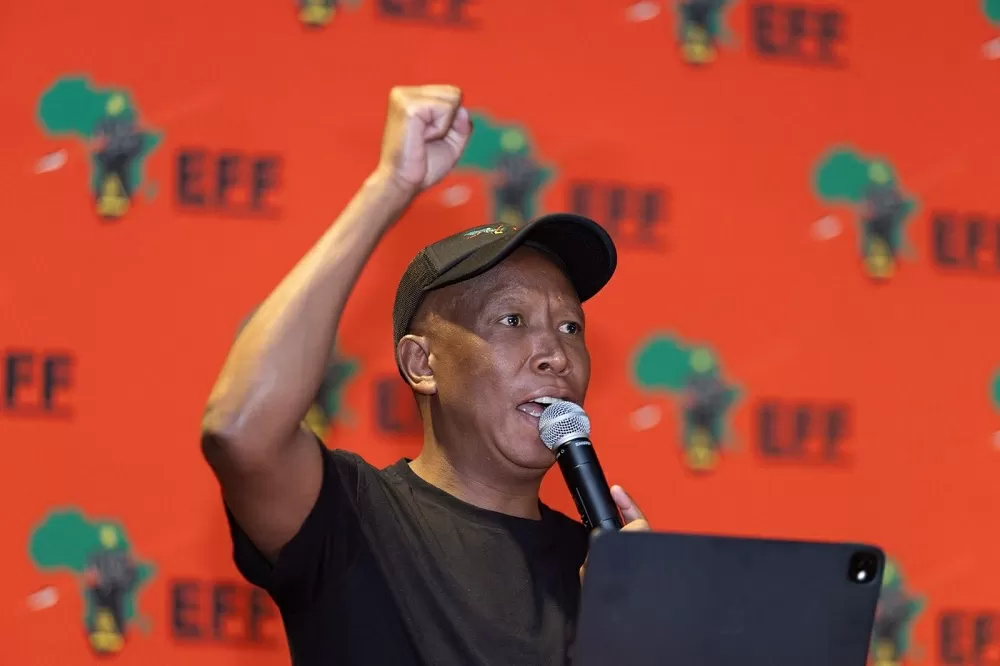
In a recent statement, South African politician Julius Malema has sparked a debate by stating that people cannot demand services from the government if they do not participate in elections. This statement has raised many questions and has been met with mixed reactions from the public. While some agree with Malema's stance, others argue that it is the government's responsibility to provide services regardless of voter turnout. Let us delve deeper into this issue and understand the importance of participating in elections.
Firstly, it is essential to understand the context of Malema's statement. As the leader of the Economic Freedom Fighters (EFF), Malema has been a vocal advocate for the rights of the people and has been at the forefront of fighting against corruption and inequality in South Africa. He has been a strong voice for the marginalized and has consistently called for the government to be accountable to its citizens. Therefore, his statement should not be taken lightly, and it is crucial to understand the message he is trying to convey.
Malema's statement highlights the fact that democracy is a two-way street. While the government has a responsibility to provide services to its citizens, the citizens also have a responsibility to participate in the democratic process. By participating in elections, citizens are not only exercising their right to vote but also holding the government accountable for its actions. When people do not participate in elections, they are essentially giving up their power to hold the government accountable, and this can have detrimental effects on the country's progress and development.
Moreover, participating in elections is not just about casting a vote; it is also about being an active citizen. It is about engaging in political discussions, staying informed about current affairs, and holding discussions with friends and family about the issues that affect our society. By doing so, we are not only educating ourselves, but we are also creating a more politically aware and engaged society. This, in turn, puts pressure on the government to address the needs and concerns of its citizens.
Furthermore, Malema's statement also highlights the importance of the government's legitimacy. In a democracy, the government derives its power from the people. When citizens do not participate in elections, it weakens the government's legitimacy, and this can have severe consequences. A government that is not seen as legitimate may face challenges in implementing policies and providing services to its citizens. This can lead to a breakdown in trust between the government and its people, which can have long-term effects on the country's stability and progress.
It is also essential to note that participating in elections is not just about demanding services from the government. It is also about shaping the future of our country. By voting, we are choosing the leaders who will make decisions that will affect our lives and the lives of future generations. Therefore, it is our responsibility to choose wisely and ensure that our voices are heard.
In conclusion, Malema's statement serves as a reminder to all South Africans that democracy requires active participation from both the government and its citizens. By not participating in elections, we are essentially giving up our power to hold the government accountable and shape the future of our country. It is our duty as citizens to exercise our right to vote and actively engage in the democratic process. Only then can we demand services from the government and work towards building a better and more equitable society for all. So, let us all take Malema's words to heart and make our voices heard through our votes.