‘Mass incarceration’ is a liberal myth. The truth is far worse.
“The masses are not being policed, targeted, and incarcerated,” Distinguished Professor and author Dylan Rodríguez says; “it's a targeted war with asymmetrical...
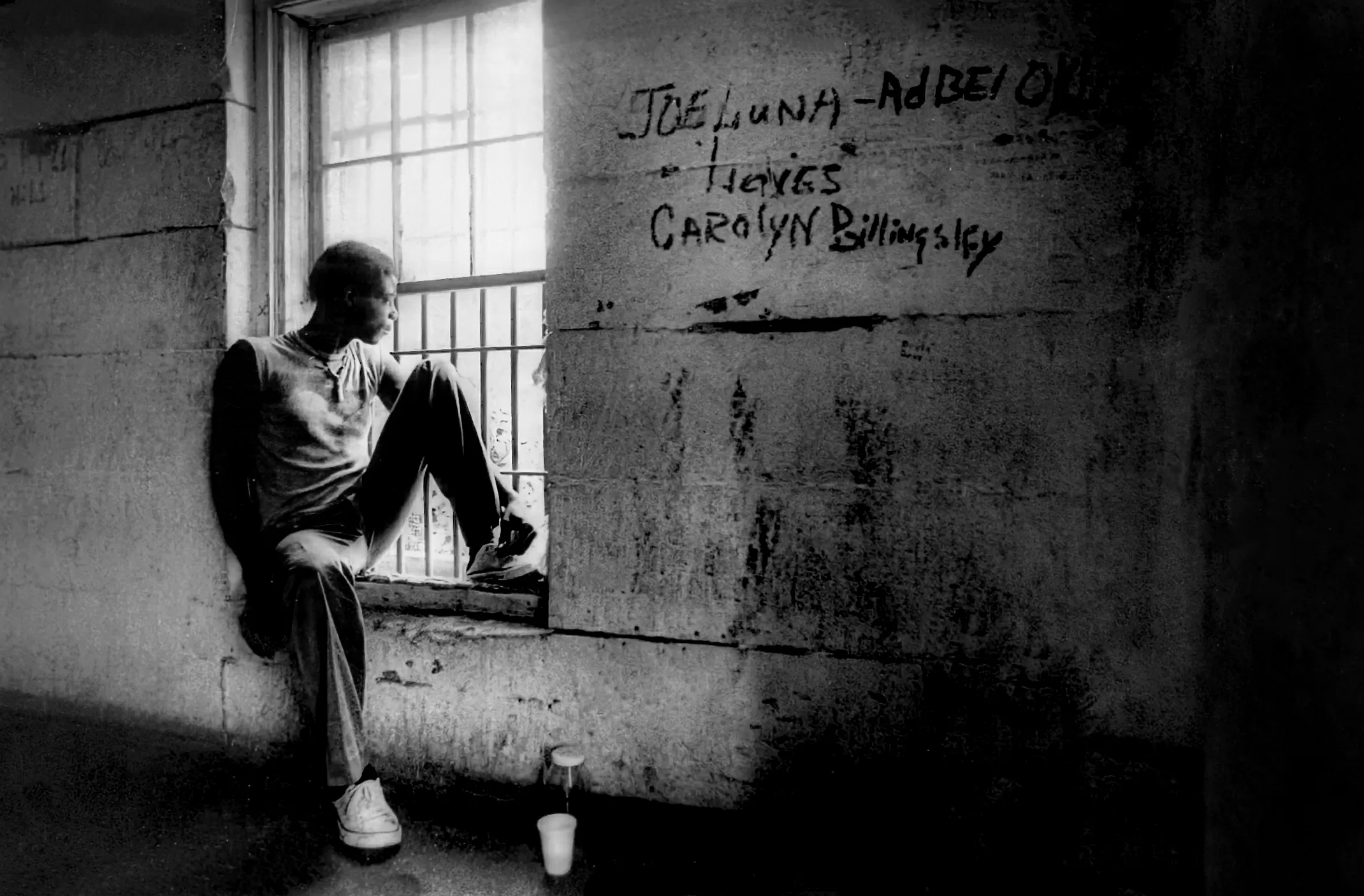
In today's society, the issue of mass incarceration has become a pressing concern. The United States has the highest incarceration rate in the world, with over 2.3 million people behind bars. This alarming statistic has raised questions about the fairness and effectiveness of our criminal justice system. Distinguished Professor and author Dylan Rodríguez sheds light on this issue by stating that the masses are not simply being policed, targeted, and incarcerated, but rather, they are victims of a targeted war with asymmetrical casualties.
Rodríguez, a professor at the University of California, Riverside, has dedicated his career to studying and advocating for social justice. He has written extensively on the topics of race, policing, and incarceration, and his work has been recognized and praised by scholars and activists alike. In his book, "Forced Passages: Imprisoned Radical Intellectuals and the U.S. Prison Regime," Rodríguez delves into the history and impact of mass incarceration in the United States.
According to Rodríguez, the issue of mass incarceration is not a result of a broken system, but rather, it is a system that is functioning exactly as it was designed to. He argues that the criminal justice system is not a neutral entity, but rather, it is a tool used by those in power to maintain control and oppress marginalized communities. This targeted war, as Rodríguez calls it, has resulted in asymmetrical casualties, with people of color and low-income individuals bearing the brunt of the consequences.
One of the main factors contributing to this targeted war is the criminalization of poverty. People living in poverty are more likely to be arrested and incarcerated for minor offenses, such as loitering or drug possession. This not only perpetuates the cycle of poverty but also leads to a disproportionate number of people of color being incarcerated. In fact, African Americans and Latinos make up the majority of the prison population, despite only making up a fraction of the overall population.
Furthermore, Rodríguez highlights the role of the media in perpetuating this targeted war. He argues that the media's portrayal of crime and criminals, particularly people of color, has created a narrative that justifies the over-policing and mass incarceration of these communities. This biased representation not only fuels the fear and mistrust of these communities but also perpetuates harmful stereotypes.
The consequences of this targeted war are far-reaching and devastating. Incarceration not only separates individuals from their families and communities but also has long-lasting effects on their mental and physical well-being. Moreover, the collateral consequences of incarceration, such as limited job opportunities and loss of voting rights, make it even more difficult for individuals to reintegrate into society after their release.
So, what can be done to address this issue? Rodríguez argues that we must first acknowledge that mass incarceration is a targeted war with asymmetrical casualties. We must also recognize that the criminal justice system is not a solution to social problems, but rather, it perpetuates them. Instead, we must invest in community-based solutions that address the root causes of crime, such as poverty, lack of education, and mental health issues.
Additionally, we must demand accountability from our government and hold them responsible for the policies and practices that contribute to mass incarceration. This includes advocating for criminal justice reform and supporting organizations that work towards ending mass incarceration.
In conclusion, the words of Dylan Rodríguez serve as a wake-up call for us to recognize the harsh reality of mass incarceration. It is not simply a matter of policing and incarcerating the masses, but rather, it is a targeted war with asymmetrical casualties. It is time for us to take action and work towards creating a more just and equitable society for all. As Rodríguez says, "We must fight for a world where the criminal justice system is not a tool of oppression, but a system that truly serves and protects all members of society."