Massive Attack Responds to Singapore Concert Ban Over Palestine Statement
Massive Attack reacts to Singapore ban following Palestine display at concert. The UK band expresses surprise and disappointment over the incident.
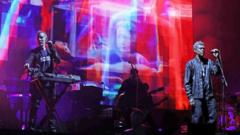
UK Electronic Band Addresses Massive Attack Singapore Ban
The renowned British electronic music group Massive Attack has publicly responded following a controversial decision by Singapore authorities regarding their recent concert performance. The Massive Attack Singapore ban emerged after the band made a political statement during their show, sparking widespread discussion about artistic freedom and political expression in the city-state.
Band's Official Response to Concert Restrictions
In their official statement, Massive Attack expressed being both surprised and disappointed by the manner in which their performance was handled by Singapore officials. The UK-based musicians stated that the treatment they received did not align with their expectations regarding freedom of expression during their concert engagement in the Asian nation.
Details of the Controversial Statement
During their Singapore performance, members of the band vocalized support for Palestine by shouting "free Palestine" to the audience. This action triggered immediate attention from local authorities, who subsequently took action against the group. The incident highlights ongoing tensions between artistic expression and governmental regulations in different parts of the world, particularly regarding politically sensitive topics.
International Music Industry Response
The situation surrounding Massive Attack's experience in Singapore has drawn attention from music industry observers and advocates for artistic freedom globally. Many within the entertainment community view such incidents as examples of censorship that potentially limit the ability of artists to express their personal and political beliefs during public performances.
Context of Concert Performances and Political Expression
Massive Attack, known for their influential contributions to electronic and trip-hop music since the 1990s, has historically been associated with socially conscious messaging. The band's repertoire and public persona have often reflected engagement with social and political issues, making their approach to concert performances consistent with their established artistic identity.
Singapore's Regulations and International Standards
The Massive Attack Singapore ban raises questions about how different countries approach political speech during entertainment events. Singapore maintains specific regulations regarding public expressions of support for certain international causes, which differ significantly from standards in many Western nations where such statements might be considered protected forms of artistic expression.
Implications for Future Performances
This incident may have broader implications for how international artists approach performances in Asian markets, particularly regarding political commentary during shows. Music festivals and concert venues may need to establish clearer guidelines about what constitutes acceptable speech during performances, balancing local regulations with artists' desires for freedom of expression.
Massive Attack's Continued Influence
Despite this controversy, Massive Attack remains an influential force in global electronic music. The band's willingness to address political matters has contributed to their reputation as socially engaged artists who view their platform as an opportunity to advocate for causes they support.
Looking Forward
The situation involving Massive Attack's treatment in Singapore contributes to ongoing conversations about the intersection of music, politics, and international relations. As the music industry continues to expand globally, questions about artistic freedom and how different regulatory environments handle political expression during concerts will likely remain relevant to both musicians and fans worldwide.


