MPs Warn Against Using Parliamentary Procedure for Assisted Dying Bill
Labour MPs urge caution on assisted dying bill, warning against forcing legislation through Commons with obscure parliamentary procedure despite Lords oppositio...
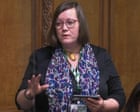
Cross-Party Warning on Assisted Dying Bill Strategy
Members of Parliament from opposing sides have jointly cautioned their colleagues against employing controversial parliamentary tactics to advance the assisted dying bill through the legislative process. The assisted dying bill has become a focal point of intense debate, with MPs expressing serious reservations about circumventing established procedures that allow for thorough parliamentary examination.
Labour representatives Gareth Snell and Meg Hillier have taken the unusual step of sending a collective warning to their parliamentary colleagues ahead of Friday's critical vote. Despite their differing positions on the measure—Snell voted in support while Hillier opposed it—both MPs have united in their concern about the potential consequences of deploying parliamentary mechanisms to override Upper House objections.
The Parliamentary Procedure Controversy
The central issue at the heart of this dispute involves the potential application of an obscure parliamentary procedure that could allow the Commons to bypass extended scrutiny from the House of Lords. This procedure, rarely invoked in contemporary politics, would represent what MPs describe as an "extraordinary risk" to the legislative process and parliamentary tradition.
The use of such procedural measures to advance legislation on contentious public matters raises fundamental questions about democratic accountability and the proper function of parliamentary oversight. The Lords, as the Upper Chamber, traditionally serves a vital function in scrutinizing bills that affect significant social issues, allowing for extended debate and consideration of diverse perspectives.
Labour MPs' Unified Position
The decision by both Gareth Snell and Meg Hillier to co-author their warning represents a significant moment in the assisted dying bill debate. Despite voting in opposite directions, these MPs have identified a shared concern about methodology that transcends their substantive disagreement on the issue itself. Their letter emphasizes that the House of Lords must be permitted to fulfill its constitutional duty of examining serious public policy matters.
Meg Hillier, who voted against the assisted dying bill, and Gareth Snell, who supported its passage, have outlined their concerns about the potential damage that could result from circumventing proper parliamentary procedures. Their warning carries particular weight given their opposing positions, suggesting their concerns are rooted in procedural principle rather than policy preference.
The Broader Implications for Parliamentary Process
The assisted dying bill represents one of the most significant legislative challenges in recent parliamentary history, touching on deeply held moral, ethical, and personal convictions. The debate surrounding its passage has revealed fundamental tensions between the desire for rapid legislative action and the necessity for thorough parliamentary scrutiny.
The potential invocation of parliamentary procedures to override Lords objections could establish precedents that extend beyond the immediate context of assisted dying legislation. Such actions might reshape the balance between the two chambers and alter established conventions that have governed parliamentary business for generations.
Timing and Political Context
The timing of this warning—delivered in the hours preceding Friday's vote—underscores the urgency with which these MPs view the situation. The vote represents a critical juncture in the parliamentary process, where decisions made could have lasting implications for how future legislation is handled.
The assisted dying bill continues to generate substantial public and political debate, with strong opinions on both sides of the question. The parliamentary divisions on this measure reflect genuine differences in how legislators approach complex ethical questions affecting their constituents.
The Role of the House of Lords
The House of Lords' traditional function as a scrutinizing chamber has become central to the assisted dying bill debate. Both MPs emphasize that the Upper House should retain the opportunity to examine this significant legislation thoroughly, allowing peers to contribute their expertise and perspectives to the deliberative process.
Circumventing Lords scrutiny could undermine the bicameral system's effectiveness and diminish the quality of legislative output. The assisted dying bill, given its profound implications for healthcare, individual rights, and medical practice, arguably warrants the most careful and extensive parliamentary consideration.
Moving Forward
As Parliament approaches the Friday vote, the warning from Snell and Hillier signals that serious concerns exist about the proposed approach, regardless of one's position on the assisted dying bill itself. Their intervention suggests that a significant segment of the parliamentary body remains committed to preserving established procedures and ensuring adequate scrutiny of major legislation.
The debate over the assisted dying bill ultimately reflects broader questions about how democracies should address profoundly difficult issues affecting citizens' rights and wellbeing. The procedural questions raised by these MPs merit careful consideration alongside substantive arguments about the bill's merits.