Navy Deploys Carrier to Relieve USS Lincoln Amid Onboard Crisis
A US Navy aircraft carrier is heading to relieve USS Lincoln following reports of food shortages and plumbing failures affecting thousands of sailors aboard the...
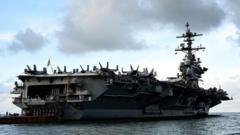
US Navy Aircraft Carrier Deployment to Address USS Lincoln Emergency
The United States Navy has mobilized a carrier strike group to relieve the USS Lincoln, a nuclear-powered aircraft carrier currently experiencing significant operational and logistical challenges. This US Navy aircraft carrier relief operation represents an urgent response to deteriorating conditions reported by thousands of service members stationed on the vessel.
Severe Conditions Reported Aboard the USS Lincoln
According to military personnel and official sources, sailors serving on the USS Lincoln have endured unprecedented hardships during their deployment. The vessel's crew has faced critical food shortages that have left many service members without adequate nutrition for extended periods. Compounding these issues, the ship's plumbing and sanitation systems have reportedly malfunctioned, creating unsanitary living conditions throughout the carrier.
The combination of inadequate provisions and broken infrastructure has created an environment described as untenable by those aboard. Multiple accounts indicate that frustration among personnel has reached critical levels, with some crew members reportedly expressing desperate thoughts about leaving the vessel, though exact numbers remain unconfirmed by official Navy statements.
Impact on Crew Morale and Retention
The deteriorating conditions aboard the USS Lincoln have raised serious concerns about sailor welfare and long-term retention in the Navy. Service members who volunteer for extended deployments at sea expect adequate food supplies and functional basic amenities. When these fundamental requirements are not met, it creates significant morale problems and may influence future recruitment and retention decisions across the naval service.
Military readiness depends heavily on the well-being of personnel. When thousands of sailors face simultaneous challenges with nutrition and sanitation, operational effectiveness becomes compromised. The Navy's decision to deploy a relief carrier demonstrates recognition of these interconnected problems.
Naval Carrier Relief Operations Explained
Carrier relief operations typically involve scheduled rotations of vessels to ensure adequate maintenance, crew rotation, and replenishment of supplies. However, the USS Lincoln situation appears to represent an unscheduled intervention due to emergency conditions. The incoming carrier will provide immediate relief to the affected crew and assume operational responsibilities in the region.
The USS Lincoln's Operational Context
The USS Lincoln represents one of the Navy's newest and most advanced carriers, equipped with sophisticated defense systems and capable of projecting American power across global waterways. Despite its technological capabilities, the vessel has proven vulnerable to logistical failures that affect the human element of naval operations.
Official Response and Next Steps
Navy leadership has acknowledged the challenges aboard the USS Lincoln while working to implement corrective measures. The deployment of a relief carrier will provide immediate assistance while investigations proceed into how these conditions developed. Future inspections and supply protocols may be revised to prevent similar situations.
The situation underscores the importance of maintaining adequate support systems for personnel deployed at sea for extended periods. While the Navy has established protocols for operations away from port, this incident suggests those protocols require enhancement to ensure crew welfare remains a top priority.
This aircraft carrier relief operation will be closely monitored as it represents not only a solution to immediate crew hardships but also a test of the Navy's ability to respond rapidly to personnel crises aboard its most vital assets.


