Netanyahu Rejects Trump's 15-Point Gaza Plan Amid Electoral Pressures
Netanyahu dismisses Trump's 15-point Gaza plan amid election campaign rhetoric. Trump administration remains unfazed by Israel PM's initial rejection of the dea...
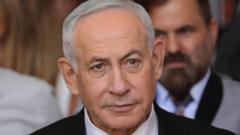
Netanyahu's Position on Trump's Gaza Initiative
Prime Minister Benjamin Netanyahu has publicly rejected Trump's comprehensive 15-point Gaza plan, yet analysts suggest this Netanyahu Gaza plan rejection may represent tactical positioning rather than a definitive stance. The Israeli leader's dismissal of the proposal comes amid mounting domestic political pressures as his country navigates a complex electoral landscape.
The controversial Gaza framework, presented by the Trump administration, encompasses fifteen distinct policy recommendations designed to address ongoing regional tensions and humanitarian concerns. Netanyahu's refusal to endorse the initiative immediately sparked international debate about the future trajectory of Israeli-Palestinian relations and American diplomatic involvement in Middle East affairs.
Trump Administration's Measured Response
Notably, officials within the Trump administration have demonstrated a surprisingly calm demeanor regarding Netanyahu's rejection. Rather than viewing the Israeli prime minister's opposition as a permanent obstacle to diplomatic progress, administrative sources indicate they interpret Netanyahu's stance as election-driven rhetoric. This assessment suggests confidence that political realities and strategic considerations may yet shift the calculations of the Israeli government.
The disconnect between Netanyahu's public statements and the Trump administration's internal confidence reflects sophisticated understanding of Israeli domestic politics. Campaign season dynamics frequently generate hardline rhetoric from political leaders seeking to consolidate voter support among conservative constituencies who harbor skepticism toward international agreements perceived as compromising national security interests.
Electoral Context and Political Messaging
Netanyahu's rejection should be understood within the context of an upcoming general election in Israel. Political considerations often compel leaders to adopt more intransigent public positions than their eventual negotiating posture might otherwise warrant. The Israeli prime minister faces pressure from coalition partners and right-wing factions who view territorial concessions and international agreements with considerable wariness.
His rejection of the Trump proposal appears calibrated to demonstrate strength and resolve to domestic audiences, particularly those voter segments most concerned about Palestinian territorial expansion and security implications. This strategic communication serves multiple purposes simultaneously: it reinforces Netanyahu's standing with key electoral constituencies while potentially maintaining negotiating flexibility for subsequent diplomatic engagement.
The 15-Point Framework Overview
Trump's Gaza plan encompasses multiple dimensions addressing humanitarian access, territorial arrangements, security protocols, and international involvement mechanisms. Each component represents compromise positions intended to satisfy diverse stakeholder concerns, from Israeli security requirements to Palestinian political aspirations and international humanitarian standards.
The proposal reflects extensive consultation with regional analysts, diplomatic specialists, and previous peacemaking frameworks. Its comprehensive nature suggests serious analytical effort, though its reception among key parties demonstrates the inherent challenges in crafting universally acceptable Middle East peace formulations.
International Diplomatic Implications
The Netanyahu Gaza plan rejection raises questions about the viability of American-led peace initiatives in contemporary Israeli-Palestinian contexts. Nevertheless, experienced observers note that initial rejections frequently precede eventual negotiations or modified acceptance. Historical precedent in Middle Eastern diplomacy demonstrates that opening positions rarely reflect final outcomes in complex international negotiations.
The Trump administration's apparent equanimity suggests strategic patience and confidence in eventual diplomatic progress. This posture indicates belief that political calculations within Netanyahu's government may eventually align with international pressure, regional dynamics, and longer-term strategic considerations favoring engagement with American peace proposals.
Future Prospects for Negotiation
Analysts anticipate that Netanyahu's current rejection should not be interpreted as closing diplomatic channels permanently. Rather, the Israeli leader's statements likely represent negotiating theater designed to maximize domestic political advantage while preserving space for future diplomatic maneuvers. The Trump administration's calm response reinforces interpretations suggesting confidence in eventual progress despite current rhetorical opposition.
Observers monitoring regional developments closely note that electoral outcomes, international pressure, and shifting security assessments could substantially alter Netanyahu's negotiating priorities. His rejection of Trump's Gaza plan may ultimately prove merely a preliminary chapter in a longer diplomatic narrative rather than its final conclusion.


