Oil, gasoline prices jump amid Iran strikes, with future uncertain
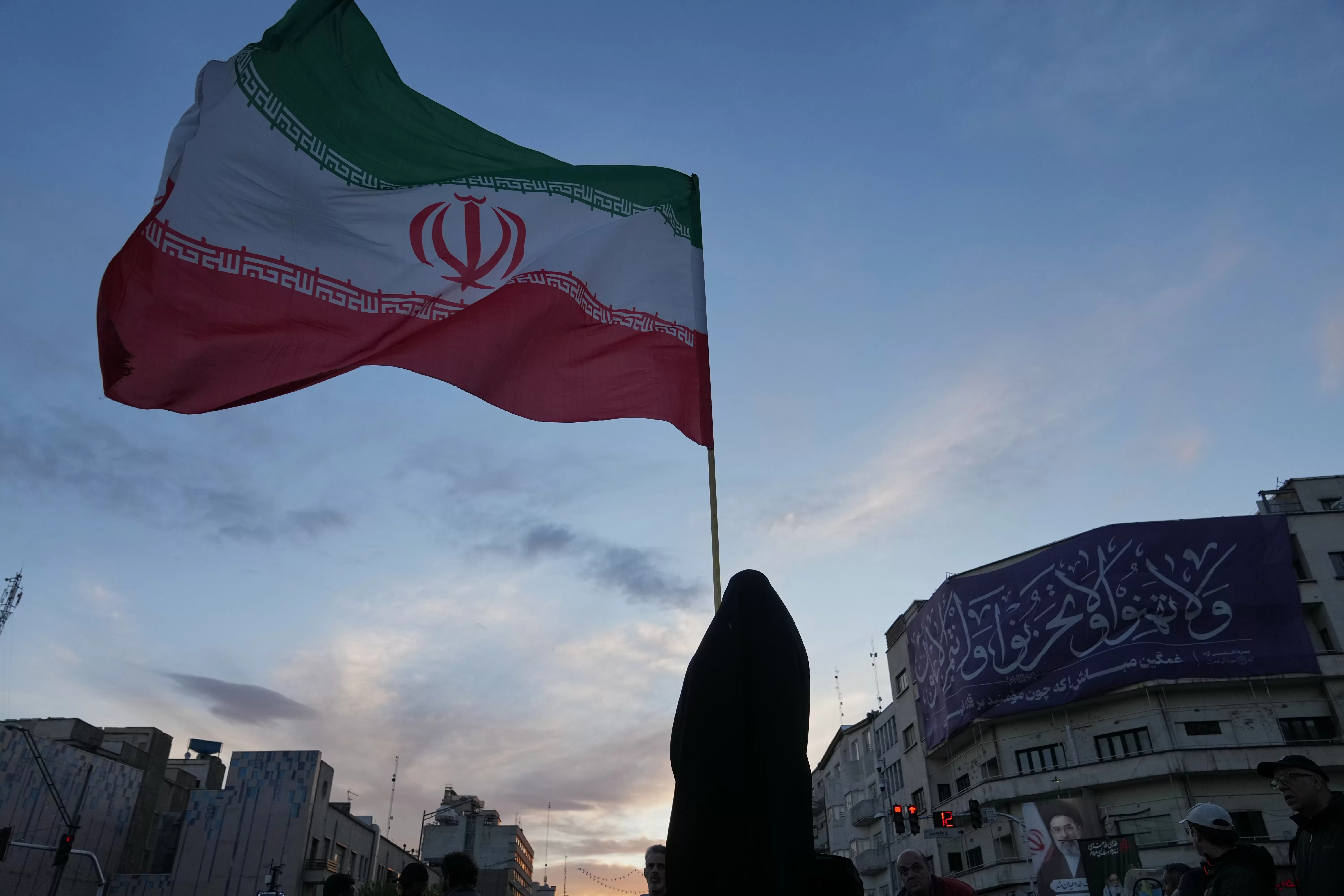
The U.S.-Israel strikes on Iran have surged oil prices, and costs for consumers at the pump are expected to rise. The price of global benchmark Brent Crude oil...
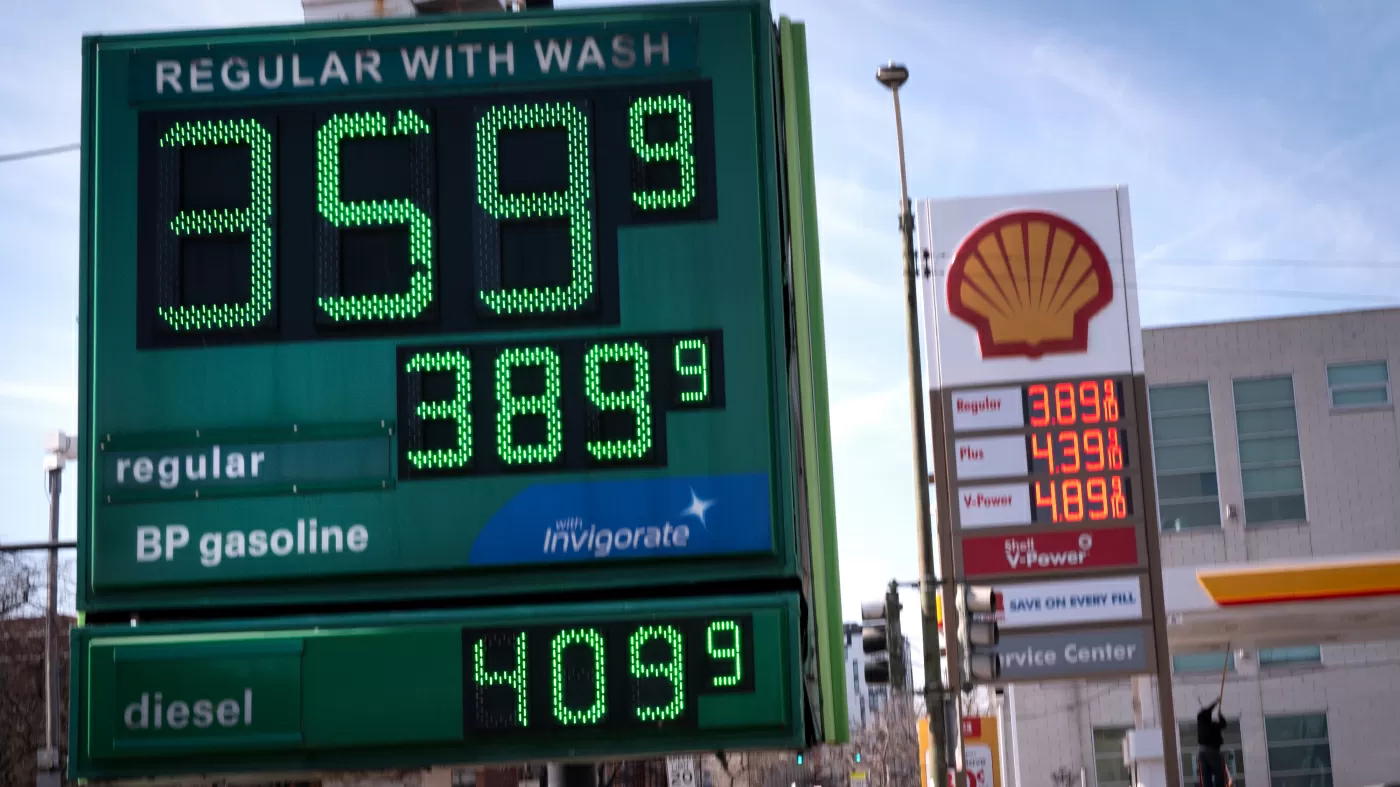
The recent strikes on Iran by the United States and Israel have led to a surge in oil prices, with consumers bracing themselves for higher costs at the pump. On Monday afternoon, the price of global benchmark Brent Crude oil was recorded at a whopping $77 per barrel, a significant increase from just a week ago when it was at $71 per barrel. This spike in oil prices has sent shockwaves through the market and is expected to have a ripple effect on the global economy.
The escalation of tensions in the Middle East has once again reminded us of the fragility of the oil market. With Iran being one of the world's largest oil producers, any disruption in its production can have a significant impact on oil prices. The recent airstrikes have not only targeted Iran's oil facilities but have also raised concerns about potential supply disruptions in the region, leading to the sharp increase in oil prices.
For consumers, the surge in oil prices is bad news, especially for those who own vehicles and rely on gasoline. It is expected that the prices at the pump will also follow the upward trend, leaving consumers to bear the brunt of these events. The rising cost of gasoline will directly impact their daily lives, as they will have to dig deeper into their pockets to fuel their vehicles. This, in turn, may also lead to an increase in the prices of goods and services, as transportation costs will also surge.
The increase in oil prices is not limited to just the United States. It has a global impact, as many countries import oil from the Middle East to meet their energy needs. The surge in oil prices has a domino effect on the entire world, causing a rise in inflation rates and increasing the cost of living. It is expected that this will not only affect consumers but also businesses, as they will have to pay more for transportation and other related costs, which may result in a decrease in their profits.
The recent events in the Middle East have once again highlighted the need for countries to reduce their reliance on oil. It is imperative that alternative sources of energy are explored and utilized to reduce the impact of such events on the global economy. This could also lead to a more sustainable and environment-friendly future, as the use of fossil fuels is a major contributor to climate change.
While the surge in oil prices may seem like a bleak picture, there is a silver lining to this situation. The increase in oil prices has opened up opportunities for countries that are not producers but have significant oil reserves. These countries can take advantage of the situation and increase their production, thus filling in the gap left by disruptions in Iran's production. This would not only help stabilize oil prices but also boost their economies.
Moreover, the rise in oil prices could also lead to an increase in investment in the oil industry. As prices continue to surge, there will be a higher demand for new and more advanced technologies to explore and extract oil reserves. This, in turn, could spur economic growth and create job opportunities in the oil sector.
It is also worth noting that the increase in oil prices may only be temporary. As tensions in the Middle East de-escalate, there is a possibility that oil prices may stabilize and return to their previous levels. The market has shown resilience in the face of similar events in the past, and there is no reason why it cannot do so now.
In conclusion, the recent U.S.-Israel strikes on Iran have undoubtedly led to a surge in oil prices, causing concerns and unease among consumers. However, it is vital to remember that this surge may also bring about positive effects in the long run. It is an opportunity for countries to diversify their energy sources and for the oil industry to innovate and grow. As we navigate through these challenging times, let us also look for silver linings and opportunities for progress.