Oil Prices Drop as Strait of Hormuz Reopening Gains Momentum
Oil prices decline following announcements by US officials about resuming shipments through the Strait of Hormuz. Secretary Rubio and Bessent confirm progress i...
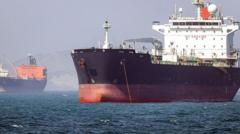
Strait of Hormuz Reopening Signals Hope for Global Energy Markets
International crude oil markets have experienced a notable downturn following optimistic signals regarding the potential reopening of the Strait of Hormuz. The geopolitically significant waterway, which serves as a critical passage for global petroleum transportation, has become central to recent diplomatic initiatives aimed at stabilizing energy supplies and reducing price volatility across global markets.
The declining trend in oil valuations reflects investor confidence that the Strait of Hormuz will soon resume normal operations, allowing merchants to transport essential energy resources without the constraints that have characterized recent market conditions. This development represents a significant shift in sentiment within commodity trading circles and among energy sector analysts.
High-Level US Diplomatic Engagement Advances Talks
US Secretary of State Marco Rubio and Treasury Secretary Scott Bessent have jointly announced that negotiations surrounding the resumption of maritime operations through the critical waterway have achieved substantial progress. Both officials confirmed during separate statements that substantive discussions have advanced to stages where practical arrangements for restarting shipments appear increasingly feasible.
The involvement of two senior Cabinet-level officials underscores the importance Washington places on resolving the logistical and geopolitical obstacles that have impeded the Strait of Hormuz's operational capacity. These high-level engagements suggest that diplomatic channels remain active and productive in addressing the underlying concerns that initially prompted the disruption.
Impact on Global Energy Supply Chains
The Strait of Hormuz functions as one of the world's most vital chokepoints for petroleum transportation. Approximately one-third of all seaborne traded crude oil passes through this narrow waterway annually, making its accessibility absolutely essential for maintaining stable global energy markets and preventing price shocks that could reverberate throughout the international economy.
Restrictions or disruptions affecting passage through the strait have historically created immediate upward pressure on petroleum prices worldwide. Conversely, signals of normalization and renewed accessibility tend to moderate pricing pressures as markets adjust expectations regarding future supply availability. The current diplomatic progress has already triggered measurable reductions in crude valuations as traders recalibrate their positions.
Market Reaction and Investor Confidence
Commodity traders and energy sector investors have responded positively to announcements regarding the Strait of Hormuz reopening prospects. The reduction in oil prices reflects a collective market assessment that supply constraints are likely to ease, thereby reducing the premium investors typically demand for maintaining reserves during periods of uncertainty.
This market movement demonstrates how geopolitical developments directly influence energy pricing through their effects on supply expectations. The negotiation process itself, when perceived as productive, can generate measurable economic effects even before formal agreements are finalized or operational changes are implemented.
Strategic Importance of Maritime Routes
The Strait of Hormuz remains strategically important to global trade infrastructure, energy security, and international relations. Its management and accessibility have long been subjects of diplomatic attention given the direct correlation between waterway disruptions and worldwide economic consequences. The current negotiation efforts reflect recognition among major powers of mutual interests in maintaining functional maritime commerce.
Secretary Rubio and Treasury Secretary Bessent's announcements indicate that American policymakers view diplomatic resolution as preferable to prolonged disruption. The emphasis on progressive negotiation rather than confrontational approaches suggests a strategic calculation that sustained diplomatic engagement can achieve outcomes beneficial to American economic interests while addressing concerns of other parties involved in the maritime passage management.
Future Outlook for Energy Markets
As talks continue advancing regarding the Strait of Hormuz reopening, energy markets will likely remain sensitive to further diplomatic developments and official announcements. Investors are carefully monitoring statements from US officials and other relevant parties to assess the probability and timeline for operational restoration.
The potential resumption of normal shipping operations through this critical waterway could provide meaningful relief to global energy consumers and stabilize long-term price expectations. However, market volatility may persist until formal agreements are concluded and operational procedures are definitively re-established through the Strait of Hormuz corridor.


